
Top App Development Frameworks to Use in 2025

Introduction to App Development Frameworks In the rapidly evolving field of technology, app development frameworks play a crucial role in enhancing the efficiency and effectiveness of software development. These frameworks consist of pre-designed structures and coding practices that guide developers in building applications more rapidly and with greater consistency. They serve as a foundation upon which developers can create robust applications with reduced coding complexities, allowing them to focus on the unique features and functionalities that set their apps apart. One of the primary advantages of utilizing app development frameworks is the acceleration of the development process. By providing a plethora of built-in functionalities and coding tools, frameworks reduce the time required for coding from scratch. This efficiency not only saves resources but also allows developers to concentrate on optimization and user experience, ultimately leading to the creation of high-quality applications that meet market demands. Moreover, app development frameworks encapsulate best practices and coding standards, ensuring consistency across different projects. This standardization is particularly beneficial when teams are involved, as it facilitates collaboration and integration of various components developed by different programmers. As a result, frameworks help maintain a systematic approach to app development, which is essential for large-scale applications. In addition to improving development speed and coding practices, these frameworks often incorporate tools for debugging and testing, which further enhances the quality of the final product. By integrating these functionalities, frameworks help developers identify and rectify issues early in the development lifecycle, leading to more stable and reliable applications upon release. Overall, app development frameworks are indispensable tools that streamline the software development process, ultimately contributing to the creation of impactful and high-quality mobile applications. The Evolution of App Development Frameworks The landscape of app development frameworks has undergone significant transformation since the inception of programming languages. In the early days of computing, developers relied on low-level programming languages such as Assembly and C, which required extensive coding knowledge and understanding of hardware. As technology evolved, so did the need for more accessible tools, leading to the emergence of higher-level languages and the first frameworks, which simplified the development process by offering reusable code components. The introduction of Object-Oriented Programming (OOP) in the 1980s further revolutionized app development. This paradigm allowed developers to create modular code, which enhanced maintainability and scalability. With the arrival of the internet and the subsequent boom in web applications in the 1990s, frameworks became essential for managing complex web infrastructures. Technologies such as PHP and Ruby on Rails gained traction, exemplifying the need for frameworks to streamline development while enhancing user experience. As consumer preferences shifted towards mobile and responsive designs in the late 2000s, frameworks continued to evolve. The rise of smartphones ushered in frameworks specifically designed for mobile app development, such as React Native and Flutter, which allow developers to create applications across multiple platforms using a single codebase. Furthermore, the increasing integration of cloud computing has facilitated the development of frameworks that support robust back-end services, simplifying the process for developers. In light of ongoing advancements in artificial intelligence and machine learning, the future of app development frameworks appears poised for further innovation, with an emphasis on enhancing user interactivity and personalized experiences. The continuous interplay between technological advancements and shifting consumer needs has laid the groundwork for what app development frameworks will look like in 2025. As developers seek efficient and effective ways to build engaging applications, understanding this evolutionary context is paramount for anticipating future trends. Key Features to Look for in 2025 Frameworks As the landscape of app development continues to evolve, selecting the right framework in 2025 will hinge upon several critical features. One of the foremost attributes to consider is cross-platform capability. In a world increasingly dependent on diverse devices, frameworks that facilitate seamless development across various operating systems—such as iOS, Android, and web platforms—are invaluable. This not only reduces development time and costs but also ensures a wider reach for end-user applications. Furthermore, performance efficiency stands out as a critical feature. A framework’s ability to deliver a fast and responsive user experience can significantly impact user satisfaction and retention. Efficient memory management, optimized processing speeds, and minimal load times are essential factors that developers should evaluate when choosing a framework. Community support also plays a pivotal role in the sustainability of a development framework. Strong community backing can provide robust resources, including libraries, plugins, and troubleshooting assistance. A vibrant community means developers can collaborate, share insights, and gain access to timely updates—how critical this is for adapting to new technologies and challenges that may arise. Ease of integration into existing systems is another essential feature developers should prioritize. Frameworks that offer straightforward API integrations simplify the process of incorporating new functionalities, making it easier to enhance applications with third-party services and emerging technologies. This becomes particularly vital as integration with IoT devices and artificial intelligence becomes more prevalent in app development. Lastly, compatibility with emerging technologies cannot be overlooked. As industries increasingly adopt AI and IoT, frameworks that are designed to support these innovations will allow developers to stay ahead of the curve. By considering these key features, developers can make informed decisions that will enhance productivity and ensure the success of their applications in 2025 and beyond. Top Frameworks Predicted for 2025 As we look ahead to 2025, several app development frameworks are poised to capture significant attention in the industry. Among these, React Native, Flutter, and Xamarin stand out due to their unique features and extensive user bases. React Native, developed by Facebook, continues to be a leading choice among developers for cross-platform mobile application development. Its ability to facilitate the creation of native-like applications using JavaScript has made it immensely popular. One of its key advantages is the hot-reloading feature, allowing developers to see the results of their changes immediately. With a strong community backing and extensive library support, React Native is expected to remain a primary framework for mobile app development enthusiasts in 2025. Flutter, Google’s open-source UI toolkit, is
App Development Project Planning: A Step-by-Step Guide from Idea to Launch
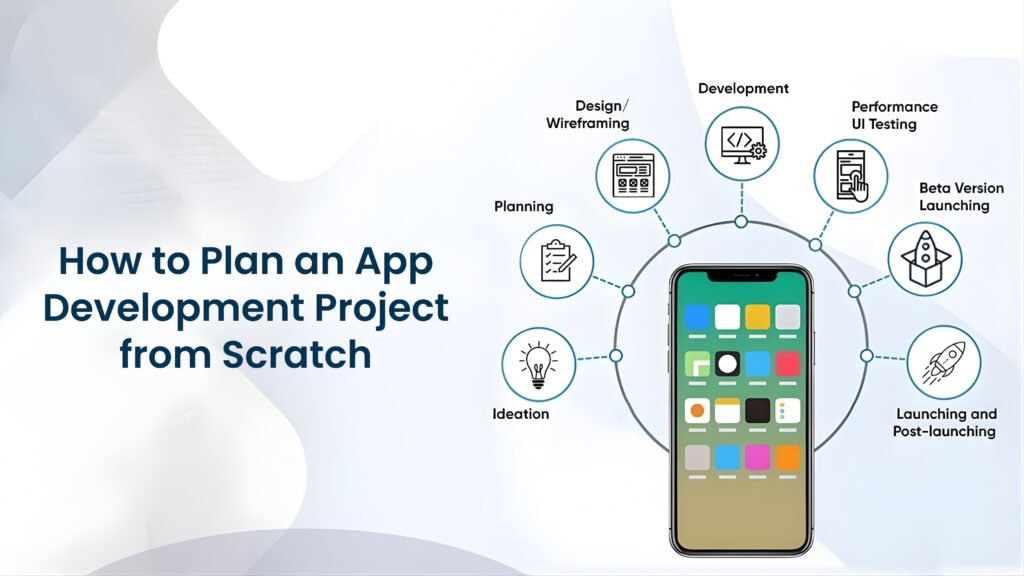
Understanding Your App Idea Defining your app idea is a crucial first step in the app development project. A clear and concise concept serves as the foundation for all subsequent stages, influencing design, functionality, and even marketing strategies. Start by brainstorming your ideas without filtering them; this encourages creativity and exploration of unique solutions to potential problems.App development project planning begins with clearly defining your app idea, goals, and target audience before moving into design and development. Once you have a list of ideas, analyze them to identify the core purpose of your app. Ask yourself what specific problem your app aims to solve or what need it addresses in your target audience’s life. This process of refinement ensures that you are focusing on a viable proposition that stands out in a competitive market. A key aspect of this phase is understanding your target audience. Identify who will benefit most from your app. Consider their demographics, preferences, and behaviors; this insight will guide many aspects of your app’s development. You may employ surveys, interviews, or focus groups to gather valuable information directly from potential users, thus ensuring your app resonates with its intended users. Furthermore, conducting thorough market research is imperative. This involves analyzing existing applications that serve similar audiences or purposes. Study their strengths, weaknesses, and user feedback. Such analysis aids in recognizing opportunities and gaps in the market that your app can fill, providing a competitive edge as you progress in the development process. Validation of your app idea is another essential step. Once you have outlined your concept and identified your target audience, seek feedback on your idea. This can be done through prototypes, mock-ups, or even landing pages that gauge interest before full-scale development. Validating your app concept early on minimizes the risk of investing time and resources into a project that may not succeed, ensuring that your development efforts are aligned with market demands. Defining Project Requirements Defining project requirements is a crucial step in the app development process. This phase involves gathering and documenting all the essential features and functionalities that the app must encompass to meet the needs of its target audience. To begin with, it is beneficial to conduct interviews and surveys with potential users, stakeholders, and team members to collect insights and expectations. This collaborative approach ensures that all perspectives are considered, allowing for a comprehensive understanding of user needs. Once adequate information has been gathered, the next step involves creating a detailed list of requirements. This list should categorize features into two distinct groups: must-have and nice-to-have elements. Must-have features are those that are critical for the app to function effectively and fulfill its primary objectives. Examples may include user authentication, data storage capabilities, and basic navigation. On the other hand, nice-to-have features, such as advanced analytics or social media sharing options, can enhance user experience but are not essential to the app’s core purpose. In addition to listing features, outlining user stories can be particularly helpful. User stories articulate specific scenarios in which a user interacts with the app, providing a clearer context for developers. For instance, a user story might describe how a user logs in, navigates the app, and performs key tasks relevant to their needs. This practice not only clarifies expectations but also assists in prioritizing functionality based on user demands. Lastly, it is imperative to set clear objectives for the app development project. These objectives should outline what the app is intended to achieve, providing a framework against which success can be measured. By defining project requirements meticulously, the development team can ensure that the final product aligns with user expectations and business goals, thereby laying a solid foundation for the app’s future success. Market Research and Competitor Analysis Engaging in comprehensive market research and conducting a thorough competitor analysis is paramount for the success of any app development project. Before diving into the design and development phases, it is essential to identify existing applications that share similarities with the intended app. This process involves recognizing key players in the market and understanding their offerings. Start by exploring app stores, forums, and social media platforms to gather insights into trends, user interests, and the prevailing demands in your specific niche. Once similar apps have been identified, the next step is evaluating their strengths and weaknesses. This can be achieved through both quantitative and qualitative analysis. Metrics such as download numbers, user ratings, and reviews provide a clear picture of an app’s performance. Additionally, examining the features that resonate positively with users can offer valuable inspiration for your own project. Conversely, identifying the drawbacks highlighted in user feedback allows you to avoid potential pitfalls and refine your app’s concept. For instance, if a competitor’s app receives criticism for poor navigation, addressing this aspect in your development can be a significant differentiator. Moreover, understanding user expectations is crucial. By delving into user reviews and discussions related to rival apps, you can glean insights into what features users find most valuable. This feedback loop not only helps in enhancing your app concept but also ensures that you are tailoring your offerings to meet genuine needs within the market. Conducting surveys or focus groups may further enhance your understanding of user preferences. By systematically analyzing both market data and appreciating user sentiments, you create a robust foundation for developing an innovative app that stands apart in a crowded landscape. Budgeting and Resource Allocation Budgeting and resource allocation are crucial aspects of planning an app development project. To ensure the successful execution of the project, it is essential to start with a well-defined budget that encompasses all necessary financial elements. The first step in the budgeting process involves estimating the overall costs associated with the app’s development. This includes expenses related to design, development, testing, marketing, and ongoing maintenance. When estimating the budget, it is important to consider the various roles required for the project. This may include hiring developers, designers, project managers, and quality assurance testers. Each role
Native vs Cross-Platform App Development: Which Is Right for Your Business?
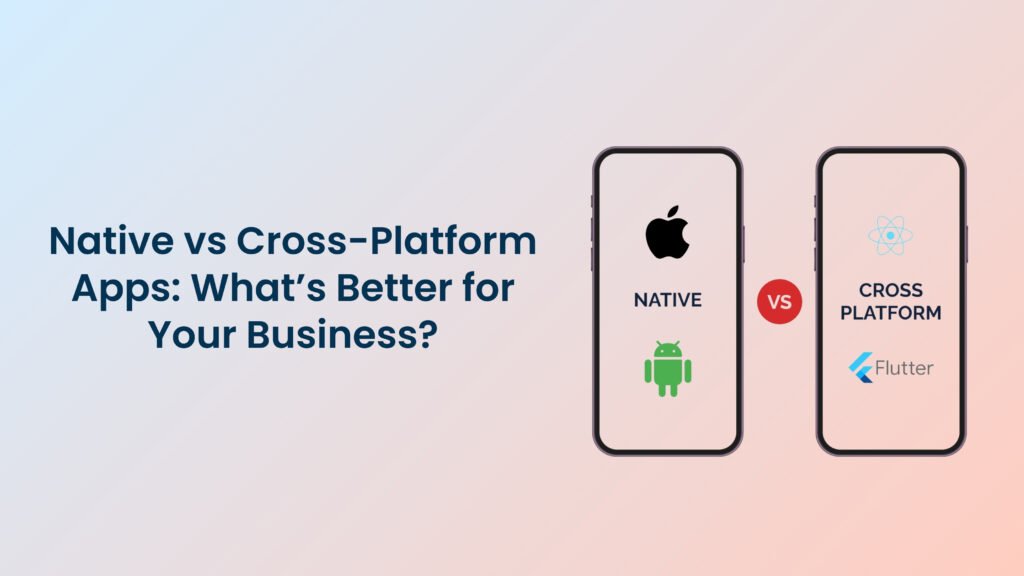
Introduction to App Development Native vs cross-platform app development has become a crucial decision for businesses investing in mobile applications. In this competitive environment, understanding the differences between native and cross-platform app development is crucial. Each approach offers unique benefits and challenges that cater to different business needs and user experiences. Native apps are applications specifically designed for a particular operating system, such as iOS or Android. These apps utilize the device’s built-in features and functionalities, which allow for optimized performance and a seamless user experience. Businesses often choose native development when they need high-performance applications that rely heavily on hardware capabilities, such as graphics-intensive games or applications that require real-time processing. The key advantages include access to the platform’s APIs and improved responsiveness, which can significantly enhance user satisfaction and engagement. On the other hand, cross-platform apps are designed to operate on multiple operating systems using a single codebase. This approach enables businesses to save time and resources during development and maintenance. Popular frameworks such as React Native and Flutter have made it easier for organizations to adopt cross-platform development, bridging the gap between various systems. Although these apps may not fully utilize the inherent capabilities of each platform, they allow for quicker deployment and broader market reach, making them an attractive option for startups and companies with budget constraints. Understanding the landscape of app development is essential for businesses contemplating the creation or enhancement of their mobile presence. The choice between native and cross-platform apps has substantial implications for cost, user experience, and overall business success. As we explore the merits and limitations of each approach, it is crucial to consider the specific goals and requirements of your organization. Understanding Native Applications Native applications are software applications developed specifically for a particular platform, such as iOS or Android. These applications are built using the platform’s native programming languages and development tools, which enable them to leverage the unique features and functionalities of the operating system. For instance, developers use Swift or Objective-C for iOS applications, while Java or Kotlin is typically employed for Android applications. This specificity allows native apps to achieve optimal performance and a seamless user experience, as they can efficiently utilize the hardware and software capabilities of the device. One of the key advantages of native applications is their exceptional performance. Since they are built for a specific platform, they can run faster and more smoothly compared to cross-platform applications. This is particularly important for businesses that require resource-intensive features, such as augmented reality or high-resolution graphics in gaming apps. The integration with the device’s hardware means that native applications can process tasks quickly, thereby enhancing the user experience. Another significant benefit of native applications lies in their superior user experience. User interfaces (UIs) can be crafted to align closely with the guidelines of the respective platform, thereby ensuring that users encounter a familiar look and feel. This alignment not only serves to improve usability but also fosters user retention, which is vital for businesses looking to maintain a loyal customer base. Furthermore, native apps have direct access to device features, such as the camera, GPS, and notifications, enabling businesses to deliver more engaging and interactive experiences to users. When evaluating native vs cross-platform app development, native applications often stand out for performance and hardware optimization. In summary, native applications present a compelling option for businesses targeting specific platforms. Their performance, user experience, and access to device features significantly contribute to the effectiveness of applications in delivering value to both users and businesses alike. Exploring Cross-Platform Applications Cross-platform applications are software solutions designed to operate on multiple operating systems, such as iOS, Android, and Windows, with a single codebase. This approach allows developers to create applications that can be deployed across different platforms without the need for extensive modifications. The main technologies and frameworks that facilitate the development of cross-platform apps include React Native, Flutter, Xamarin, and Ionic. Each of these frameworks offers unique features and advantages, enabling developers to create visually appealing and high-performance applications with relative ease.In native vs cross-platform app development, cross-platform solutions are preferred by startups due to faster development and lower costs. One of the most significant benefits of cross-platform apps is code reusability. By utilizing a single codebase, developers can significantly reduce the time and effort required for application development. This reduction in workload is particularly beneficial for businesses with limited resources or tight deadlines. Cross-platform development allows teams to focus on building essential features without the need for duplicating efforts across various platforms, ultimately leading to cost savings and faster time-to-market. Another advantage of cross-platform applications is their ability to reach a broader audience. With an increasing number of users accessing mobile applications across various devices and operating systems, businesses can expand their customer base by deploying their applications on multiple platforms. This flexibility ensures that companies do not miss potential customers who prefer specific devices. Additionally, cross-platform frameworks often have integrated tools that streamline the testing and debugging processes, enhancing the overall development experience. By providing a consistent environment for testing, these tools help ensure that applications function seamlessly across different devices, reducing the likelihood of platform-specific issues arising post-launch. In conclusion, cross-platform applications present a viable solution for businesses seeking efficiency, cost-effectiveness, and a wider reach in the increasingly competitive digital landscape. By carefully considering the advantages offered by cross-platform development, organizations can make informed decisions that align with their strategic objectives and market needs. Performance Comparison: Native vs Cross-Platform App Development The performance of mobile applications is a critical factor that can significantly influence user experience and satisfaction. When comparing native and cross-platform apps, several dimensions require examination, including speed, responsiveness, and overall smoothness of operation. Native apps, built specifically for a particular operating system using the respective platform’s programming languages, often exhibit superior performance. They have direct access to device resources such as the camera, GPS, and other hardware, allowing them to run faster and more efficiently. A significant advantage of native