
AI in Marketing: How Brands Use It to Improve ROI
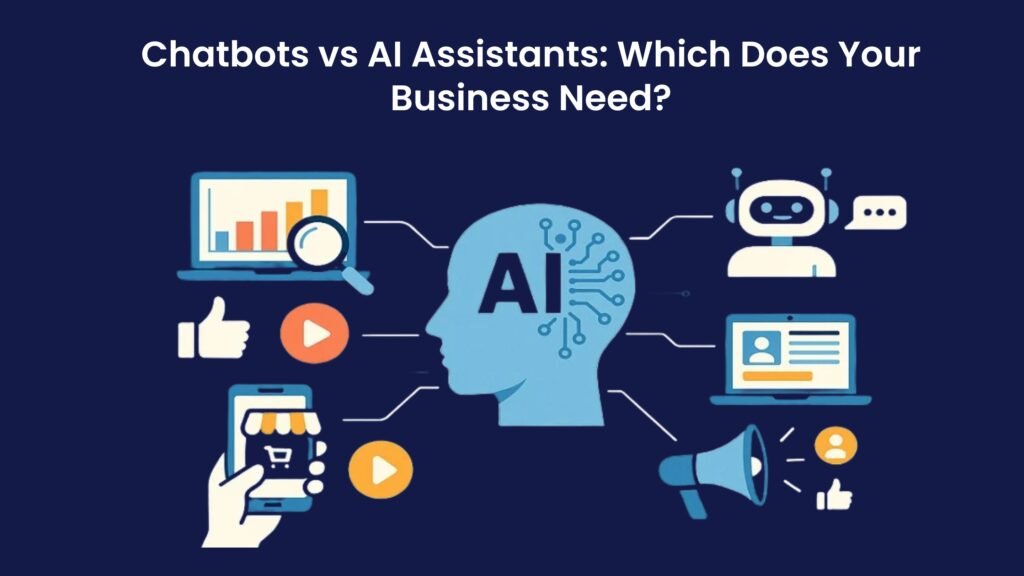
Introduction: Why AI is Transforming Marketing Today Marketing has always been about understanding people and delivering the right message at the right time. Yet, in the fast-paced digital landscape, traditional methods are struggling to keep up. Brands face challenges in accurately predicting customer behavior, managing campaigns efficiently, and ensuring every marketing dollar drives measurable return. This is where AI in marketing has emerged as a game-changer. Artificial intelligence is no longer a futuristic concept; it is a practical tool businesses can leverage today to improve ROI, automate repetitive tasks, and generate actionable insights. From AI advertising that optimizes campaigns in real time to AI customer insights that reveal hidden trends in consumer behavior, AI marketing tools are helping brands make smarter decisions faster. Consider this: recent studies indicate that companies integrating AI in marketing see an average ROI increase of 30 to 50 percent within the first year. For decision-makers and business leaders, this is more than just efficiency, it is a competitive advantage. Marketing automation AI enables brands to nurture leads seamlessly, while predictive analytics ensures campaigns reach the right audience with the right message. In this article, we will explore the pain points of traditional marketing, examine how AI tools are transforming strategy, provide actionable implementation steps, and share real-world case studies. By the end, you will understand how AI in marketing can drive measurable growth and position your brand ahead of competitors in an increasingly data-driven world. Understanding the Pain Points in Traditional Marketing Even the most experienced marketing teams face limitations when relying on traditional methods. Despite years of expertise and strategic planning, businesses often struggle to convert leads efficiently, gain deep customer insights, and make timely decisions. Let’s break down the key pain points and understand why AI in marketing has become essential. Inefficient Campaign Management Manual campaign management consumes enormous time and resources. Marketers often rely on spreadsheets, static reports, and gut instinct to plan, execute, and optimize campaigns. This approach leads to overspending on underperforming ads, inconsistent targeting, and delayed adjustments. For example, a company running a multi-channel campaign manually might spend 20 hours per week optimizing ads without seeing significant ROI. By contrast, AI advertising tools automatically analyze real-time performance data and adjust targeting and bids, freeing teams to focus on strategy rather than manual optimization. Table 1: Comparison of Campaign ROI – Traditional vs AI-Powered Approach Metric Traditional Campaign AI-Powered Campaign Improvement Weekly Hours Spent 20 5 75% less time Cost per Lead $45 $30 33% lower Conversion Rate 2.5% 4% 60% higher ROI 1.2x 1.8x 50% increase Limited Customer Insights Understanding customer behavior is central to marketing success. Traditional methods, however, provide fragmented data. Surveys, CRM logs, and purchase history often fail to capture the full picture, resulting in generic campaigns that do not resonate with audiences. AI customer insights overcome this limitation by aggregating data from multiple sources, analyzing behavioral patterns, and predicting future actions. This allows brands to deliver personalized experiences that significantly increase engagement and conversion. Slow Decision-Making Manual data analysis slows down strategy adjustments, creating missed opportunities. Marketing teams may notice a drop in performance only after weeks of reporting, by which time competitors have already captured potential leads. Marketing automation AI addresses this problem by providing real-time dashboards, predictive alerts, and automated optimization. Decisions that once took days now happen in hours or even minutes, ensuring campaigns remain relevant and efficient. How AI Marketing Tools Revolutionize Business Strategies Brands that adopt AI in marketing are no longer guessing what will work. They have access to precise insights, automated workflows, and tools that continuously optimize campaigns for maximum ROI. Let’s explore how AI marketing tools are transforming business strategies. Marketing Automation AI Marketing automation AI refers to platforms and software that streamline repetitive marketing tasks while ensuring campaigns remain personalized and effective. These tools handle everything from lead nurturing to email sequencing and social media scheduling, saving teams hours each week. For example, a B2B software company using marketing automation AI can send targeted emails based on user behavior, track engagement in real time, and adjust messaging automatically. This not only improves efficiency but also increases lead conversion rates. Table 2: Impact of Marketing Automation AI Metric Before AI After AI Improvement Weekly Hours on Campaigns 25 8 68% reduction Lead Conversion Rate 12% 20% 67% increase Email Open Rate 18% 35% 94% increase Revenue per Campaign $15,000 $25,000 67% increase AI Customer Insights Customer understanding is no longer limited to demographics or purchase history. AI customer insights use machine learning and predictive analytics to identify patterns, forecast behavior, and segment audiences with incredible precision. A retail brand, for instance, might discover through AI analytics that a specific segment responds strongly to personalized discounts sent on Friday evenings. Using this insight, the brand can optimize campaigns to deliver the right offer at the right time, improving both engagement and revenue. AI Advertising AI advertising leverages machine learning to optimize digital ad campaigns across channels such as Google, Facebook, and programmatic platforms. Instead of relying on manual bid adjustments, marketers use AI algorithms that continuously evaluate performance and automatically adjust targeting, creatives, and bids. Consider an e-commerce brand running retargeting campaigns. By integrating AI advertising tools, the brand sees higher click-through rates and lower customer acquisition costs compared to traditional methods. Table 3: AI Advertising vs Traditional Advertising Metrics Metric Traditional AI-Powered Improvement Click-Through Rate 1.8% 3.2% 78% increase Cost per Acquisition $50 $32 36% lower Conversion Rate 2.2% 4.1% 86% higher ROI 1.1x 1.9x 73% increase AI marketing tools do more than automate tasks, they empower brands with actionable insights, personalized strategies, and measurable results. By combining marketing automation AI, AI customer insights, and AI advertising, businesses can drive higher ROI while reducing time and costs. Implementing AI in Marketing: Step-by-Step Guide Adopting AI in marketing is not just about buying tools—it is about integrating technology into strategy, data, and operations. For decision-makers, understanding how to implement AI effectively is crucial for achieving measurable ROI.