
Top Free SEO Tools You Should Be Using in 2026

Introduction A practical guide for leaders who want real results without wasting time or money Search is one of the few marketing channels that keeps giving long after the initial work is done. Yet many businesses still struggle to get traction because they assume serious SEO requires expensive software and huge teams. Here’s the thing. Most companies can get at least 70 percent of the results they want using free SEO tools that already exist online. They just never use them the right way. This guide breaks everything down with a marketing growth and consulting mindset. You will see where leaders lose time, where teams go wrong, and which free SEO tools can instantly create clarity. The goal is simple. To help you get more visibility, better rankings, and stronger revenue outcomes without spending a single rupee or dollar on software. The keywords used throughout this blog include free SEO tools, SEO tools 2025, beginner SEO tools, SEO software free, and SEO toolkit. They will appear naturally so the article stays human, organic, and search friendly. Let’s begin with the major pain point that almost every business owner and marketing leader faces. Why Most Companies Fail to Use Free SEO Tools Effectively Leaders are flooded with data from every direction. Traffic reports from teams, ranking charts from agencies, dashboards from analytics platforms, and endless updates from Google. The problem is not lack of information. The problem is lack of clarity. The first pain point is simple. Most teams don’t know which metrics actually matter for growth. The second pain point. Teams jump between ten different free SEO tools without connecting the dots. They collect insights but never build a practical SEO strategy. The third pain point. Businesses assume that premium software is the only way to get accurate insights, so they delay SEO until budgets are approved. That delay costs them visibility and leads. What this really means is that the tools are not the issue. The operating system behind the tools is the problem. When you know what to track, how to interpret it, and when to take action, even a basic SEO toolkit can outperform expensive software in the hands of an inexperienced team. Let’s break things down tool by tool so you know exactly what to use and how to use it. Google Search Console The most powerful free SEO tool every business ignores Pain Point Most companies track rankings but never understand how customers actually find their site. They see visitor numbers increasing or decreasing, but they never see the real story behind the click. Solution Google Search Console is your direct line to how Google reads your website. No SEO software free, paid, or premium offers clarity this sharp and this close to the source. Here is what leaders should focus on. Search performance You see every query your audience typed before finding you. This alone can reshape your SEO strategy because it reveals customer intent in real time. Indexing insights You can instantly identify which pages Google has refused to index. For many businesses this single insight fixes up to 40 percent of their ranking problems. Technical experience If your pages load slow, break on mobile, or throw errors, the console tells you exactly what happened. Mini Case Study A mid sized ecommerce brand saw flat traffic for six months. Their agency kept telling them the market was slow. When they checked Google Search Console manually, they found that 312 high value pages were not indexed due to a minor technical block. Once fixed, their search traffic increased by 47 percent in eight weeks. No new content. No new ads. Just proper use of one free SEO tool. Hypothetical Data Table Here is how Search Console data typically looks when diagnosing performance issues. Metric Found Issue Impact Impressions Dropped by 38 percent Signals indexing problem Click Through Rate Stable Traffic drop not caused by content Indexed Pages 70 percent of product pages missing Major SEO loss Resolution Time Two weeks Growth restored This tool alone makes the list of essential SEO tools 2025 for any business serious about long term search authority. Google Keyword Planner Still the most underrated keyword discovery tool for real business growth Pain Point Most companies pick keywords based on guesswork. They choose words that feel popular but have little commercial value. Others rely on expensive tools that show broad trends but not real search behaviour tied to revenue. Solution Google Keyword Planner remains one of the most accurate free SEO tools because it uses actual Google Ads data. This means you get search volumes, competitiveness, and intent signals based on real user activity, not estimates. Here is how leaders should use it. Find opportunity gaps You can uncover keywords in the medium demand bracket that your competitors ignore. These are easier to rank for and often drive motivated buyers. Understand real volumes Other free SEO tools often inflate volume. Keyword Planner gives you realistic ranges. This helps you avoid chasing words that look big on paper but deliver little in practice. Group keywords by intent This tool helps you split informational intent keywords from transactional ones. This clarity helps you build smarter content funnels. Hypothetical Data Example Keyword Monthly Volume Competition Intent Recommendation SEO tools 2025 15,000 Medium Informational Publish a long form guide Free SEO tools 22,000 Medium Informational Create a comparison blog SEO software free 9,500 High Transactional Build a landing page Beginner SEO tools 6,800 Low Informational Create a starter guide SEO toolkit download 3,200 3,200 Transactional Make a tool resources page Keyword Planner belongs in every SEO toolkit because it gives leaders confidence that their strategy is based on real numbers, not intuition. Google Trends The only tool that shows the direction of the market, not just the size Pain Point Even when companies find good keywords, they rarely know whether the search trend is rising, stable, or falling. This causes teams to invest in content that has already peaked. Solution Google Trends is
How to Do Keyword Research in 10 Minutes

Introduction If you have ever opened a keyword tool and felt overwhelmed within seconds, you are not alone. Most beginners think keyword research is complicated and time consuming. The truth is that you can find powerful SEO keywords in just ten minutes when you know exactly where to look and how to evaluate what you find. The trick is to keep things simple, focus on user intent, and stop chasing the biggest search volumes. Let us break it down step by step. By the time you finish reading this guide, you will know how to pull valuable keywords quickly even if you are a complete beginner. You will also learn how to pick keywords that can actually rank, pull traffic, and convert into leads or sales. This is keyword research for beginners who want fast execution without losing quality. It is built for bloggers, entrepreneurs, affiliate marketers, ecommerce owners, or anyone who wants to rank on Google in 2025. So take a breath. Ten minutes is more than enough. Here is how you do it. Why Keyword Research Matters More Than Ever in 2025 Search behavior changes every year. New trends appear. Some questions fade. Some explode. With AI generated content flooding the internet, Google has become very strict about relevance, value, and user satisfaction. This makes keyword research more important, not less. Here is the thing. If your content does not answer what people are truly searching for, Google simply will not show it. And no amount of backlinks or social posts can fix that. Good keyword research helps you do three things. Understand what your target audience wants Create content that solves their real problems Rank faster because your content aligns with actual search intent This means better visibility, more clicks, and stronger conversions. The goal is not to find thousands of keywords. The goal is to pick the right ones. Once you know how to identify them quickly, SEO stops feeling like a struggle. Let us move straight into the ten minute process. The Ten Minute Keyword Research Method This method works because it removes the noise and gets right to the point. You do not need years of SEO experience. You do not need expensive tools. You only need a clear plan. Here is how your ten minutes will look. Minute 1 to 2 Identify the main topicMinute 3 to 4 Pull seed keywordsMinute 5 to 6 Check search intentMinute 7 to 8 Analyze difficulty quicklyMinute 9 to 10 Build your content direction Now let us break down each part in detail. Minute 1 and 2: Identify the Main Topic Start with one clear topic. Not multiple. Not a broad theme. One topic that reflects what you want to write or rank for. Ask yourself one simple question. What is the main thing my audience wants to know For exampleHow to lose weightBest smartphones for gamingHow to start dropshippingHow to clean white shoesHow to meditate for beginners If your main goal is fast keyword research, you must start with a topic that is already specific enough. Avoid vague ideas like fitness or technology or marketing. These are too broad and will waste your time. Pick a topic where you know your audience has questions. This helps you avoid shallow content and gives your keyword research a sharp direction. Once you lock your topic, move to the next step. Minute 3 and 4: Pull Seed Keywords A seed keyword is your starting keyword. It is the simple term you search inside a keyword tool to discover more keyword ideas. You can get seed keywords in many ways and you do not need complex tools for this. Here are the fastest places. Google Autocomplete Open Google and type your main topic. Let Google finish the sentence. These suggestions come directly from what real people search, so they are always valuable. For examplehow to lose weight quicklyhow to lose weight without gymhow to lose weight at home This takes less than sixty seconds and gives you real insight into user interest. People Also Ask Scroll down until you find the People Also Ask section. Each question is a potential keyword. Expand a few questions and new ones appear instantly. This gives you dozens of high intent keywords in seconds. YouTube Search Suggestions YouTube is the second biggest search engine in the world. Its suggestions show you what people are actively typing inside content related searches. Many times, these keywords are easier to rank on Google as well. Competitor URLs Search for your topic and open the top three ranking pages. Scan their headings. Scan their subtopics. You will find plenty of seed keywords immediately. Do not overthink this. Your goal is to gather ten to fifteen seed keywords you find interesting. Now move forward. Minute 5 and 6: Check Search Intent Search intent means what the user actually wants. Google ranks pages based on whether they satisfy that intent. If you ignore this part, you will never rank no matter how strong your keyword is. There are four types of intent. Informational User wants answersCommercial User wants comparisonsTransactional User wants to buyNavigational User wants to reach a brand or site You can identify intent in seconds just by searching your keyword on Google and looking at the type of results shown. If you seeguidestutorialsblogsthen it is informational. If you seereviewsbest listsvs comparisonsthen it is commercial. If you seeproduct pagesshopping resultsbrand storesthen it is transactional. Pick the keywords where you can match the intent easily. If the top ten results are professional sites or ecommerce giants and your site cannot match the intent, skip that keyword for now. Intent decides your quick wins. Minute 7 and 8: Analyze Difficulty Fast Keyword difficulty does not need complex calculations. You can evaluate it quickly without spending hours inside paid tools. Use these quick checks. Look at the top ten search results If the first page is filled with top news sites, Amazon, Wikipedia, or government pages, the keyword will be very
10 On Page SEO Techniques That Work in 2026

Introduction Search engines have changed a lot in the last few years, but one thing has stayed constant. Your website only performs well when your foundation is strong. That foundation is on page SEO. Many people keep chasing fancy tactics, algorithm secrets, or complex off page tricks, while ignoring what actually drives rankings. The truth is simple. If your pages are built the right way, search engines understand your content faster, users stay longer, and conversions improve naturally. Let’s break down the ten on page SEO techniques that still work in 2026. These are not hacky shortcuts. These are practices that form the core of a strong SEO checklist 2026. They help you build a site that search engines trust and people enjoy reading. This guide is written as a helpful on site SEO guide for business owners, marketers, content creators, and anyone who wants their site to grow the right way. Take your time with this. Use these SEO optimization tips step by step. The more consistent you are, the better your results will be. Why On Page SEO Still Matters in 2026 Here is the thing. Search engines have become smarter, not magical. Google and other platforms rely heavily on how clearly you structure your website and how well your content answers the user’s intent. Even with AI powered ranking models, the fundamentals still decide whether your pages deserve visibility. What this really means is that on page SEO is not just about keywords. It is about clarity, relevance, structure, experience, and performance. When you get these elements right, every part of your marketing improves. Your ads convert better. Your organic traffic grows. Your site feels cleaner. Visitors feel they can trust you. Think of your website like a city. If the roads, signboards, lighting, and traffic rules are in place, everyone moves smoothly. On page SEO gives you those roads and signboards. Without them, your content struggles to go anywhere. Technique 1: Deep Keyword Intent Understanding Most website owners still pick keywords by random guesswork. They search for a phrase, check the volume, and start writing. That approach does not work in 2025. Google cares more about intent than raw keywords. Here is what intent understanding looks like today. Informational intentThe user wants to learn something. Your content must educate and guide. Commercial intentThe user is comparing options. Your content must give useful clarity. Transactional intentThe user wants to buy. Your content must guide them into that action. When you identify intent correctly, your content automatically becomes more relevant. Relevance is one of the strongest ranking signals. This is why every on page SEO checklist 2025 starts with intent clarity. One simple rule always works. The more clearly you understand the user’s problem, the easier it becomes for Google to trust your solution. Technique 2: Write Content That Holds Attention Search engines track engagement more than ever. If people bounce back quickly, they assume your page is not helpful. In 2025, holding the reader is just as important as inserting the right keywords. What holds attention? A natural conversational tone.Shorter paragraphs mixed with longer thoughts.Examples that feel real.Simple explanations even for complex topics.Clear transitions that keep the reader moving. This is not guesswork. Pages with strong average time on page always outrank weak pages even with fewer backlinks. When your content feels human, your SEO improves without any extra effort. Technique 3: Smart Keyword Placement Without Stuffing You still need your main keywords, but the way you place them has shifted. Google no longer rewards keyword stuffing. It rewards structured clarity. Use your primary keyword in the title.Use it once in the first 100 words.Use it naturally across your sub headings.Spread it through the article in a natural tone. Then bring in secondary phrases. These phrases help search engines understand the topic depth. For example in this article, the primary group includes on page SEO, best SEO practices, SEO checklist 2026, on site SEO guide, SEO optimization tips. These supporting terms keep the context strong. The logic is simple. You are helping Google understand what your page is about without sounding like a machine. Technique 4: Build a Clean and Logical Heading Structure Your headings are like a table of contents. They help users scan. They help search engines map your ideas. When headings are structured clearly, your rankings improve faster. Here is a simple structure that still works beautifully in 2026. H1 for your main topic.H2 for your core ideas.H3 for sub points under each idea. Avoid overcomplicating it. A chaotic structure confuses both the reader and the crawler. Think of your page like a good book. If the chapters are clear, nobody gets lost. Technique 5: Improve Readability for Humans Readability has quietly become one of the strongest ranking factors. Even if you do everything else right, a difficult page will struggle. People skim first, then decide whether they want to stay. Here is how you improve readability. Use short sentences mixed with longer reflections to create rhythm.Create emotional resonance with relatable points.Avoid jargon unless your audience expects it.Break long blocks of text.Use simple transitions that feel natural. Search engines understand readability through engagement signals. They track scroll depth, user behavior, and how long someone stays. Better readability leads to better rankings. Technique 6: Strengthen Internal Linking Internal links are one of the most underrated SEO optimization tips. They help search engines discover your pages faster, understand your site structure, and distribute authority across your content. Here is what works in 2026. Link from high traffic pages to new pages.Use descriptive anchor text that represents the actual topic.Link logically, not randomly.Keep the reader journey in mind. A strong internal linking structure works like a navigation map. Your site becomes easier to crawl, and your topical authority grows. Technique 7: Optimize Images and Media for Speed and SEO Images can make or break your rankings. Large, uncompressed media files slow down your website. Slow pages lose traffic. If your page loads slowly, it does not
The Cost of Developing a Mobile App in 2025: What to Expect

Introduction to Mobile App Development Costs In the evolving technological landscape, the cost of developing a mobile app has undergone significant transformation. The financial implications associated with mobile application development are influenced by various factors that are critical to understanding the overall pricing structure expected in 2025. Developers and businesses alike must navigate these costs prudently to ensure that they do not overspend and that they achieve optimal functionality and quality in their final products. Several key elements contribute to the expenses involved in mobile app development. Firstly, the complexity of the app plays a crucial role; more sophisticated applications that integrate advanced features such as augmented reality or real-time data processing generally incur higher costs. Additionally, the choice of platform—whether iOS, Android, or a cross-platform solution—affects the pricing significantly. Each platform has its set of development challenges, thus influencing the time and resources needed for completion. Another critical factor is the geographic location of the development team. Labor costs can vary dramatically between regions—for instance, hiring developers in North America typically costs more than employing those from Asia or Eastern Europe. Furthermore, the experience and skill level of the development team can impact pricing. Established companies often charge a premium for their expertise, while freelance developers may offer more competitive rates. Also, ongoing expenses related to app maintenance and updates must be factored into the overall budget, as these costs can accumulate over time. Finally, understanding the trends and market conditions that have shaped the expenses of mobile app development over the years is essential for effective budgeting. As we approach 2025, a comprehensive appreciation of these factors will better equip businesses to anticipate costs and allocate resources effectively for successful mobile app projects. Key Factors Influencing App Development Costs When assessing the cost of developing a mobile application, several key factors play a crucial role in determining the overall financial investment. Understanding these components is essential for stakeholders who aim to create a successful app within their budgetary constraints. Firstly, the complexity of the app significantly affects costs. Simple applications with basic functionalities typically require less time and resources, whereas more complex apps, which may include advanced features like real-time data processing or augmented reality, demand a higher level of expertise and a longer development timeline. Another important factor is the feature set of the application. Each feature, such as social media integration, payment gateways, or geolocation services, adds to the development time and, consequently, the costs. Prioritizing essential features while considering potential future additions can lead to more strategic budgeting during the app development process. The choice of platform—whether to develop for iOS, Android, or utilize a cross-platform approach—also heavily influences costs. Developing a native app for each platform typically incurs higher expenses due to the need for separate codebases and potentially different design guidelines. On the other hand, cross-platform development may offer cost savings, but it can sometimes compromise performance or user experience. UI/UX design is another critical element affecting the costs of mobile app development. A well-designed interface not only enhances user experience but also requires skilled designers, which can contribute to higher initial expenses. Investing in quality design can lead to enhanced user retention and satisfaction, ultimately providing a higher return on investment. Lastly, backend development requirements, including server setup, database management, and API integration, further add to the total cost. A robust backend is essential for supporting app functionality and ensuring data security, thus reinforcing the project’s overall expense. By considering and optimizing all these factors, stakeholders can better prepare their budgets for mobile app development in 2025. Understanding App Complexity: Simple vs. Complex Apps Mobile app development involves various levels of complexity, which significantly influences the budget and timeline. It is essential to categorize apps into simple, moderate, and complex to comprehend the associated costs. Simple apps, typically characterized by minimal features and a straightforward user interface, focus on a single function. Common examples include basic calculators, to-do lists, or flashlights. The estimated development cost for these apps usually ranges from $10,000 to $30,000, depending on platform choice and geographical location of the development team. Moderate apps incorporate a blend of advanced features and accessibility. These applications often require integration with external services or databases and may include additional functionalities like user accounts, social sharing capabilities, or in-app purchases. Examples of moderate apps might involve fitness trackers or recipe applications with user interaction. The development costs for such apps can range between $30,000 and $70,000, as they demand more investment in terms of design, testing, and deployment. Complex apps present the highest level of intricacy, typically encompassing extensive functionality, real-time updates, and a robust backend. These applications often require sophisticated technologies such as machine learning, augmented reality, or substantial database management. Examples include social networking platforms, e-commerce sites, or apps that offer comprehensive financial services. Due to their intricate nature, the costs for developing complex mobile apps can soar, typically ranging from $70,000 to $250,000 or more. Additional factors like project scope, developer expertise, and market conditions also play critical roles in shaping the overall budget of a mobile app. Regional Cost Variations in App Development The cost of developing a mobile application can significantly vary depending on the geographic region. Each market presents unique factors influencing the total expenses incurred during the app development process. In particular, regions such as North America, Europe, and Asia showcase distinct cost structures shaped by local economic conditions, labor markets, and cost of living. In North America, particularly the United States and Canada, the app development costs tend to be among the highest globally. This is largely due to the high demand for skilled developers and the overall cost of living in urban areas. Developers in major cities like New York or San Francisco command premium rates, which can elevate project expenses substantially. The average hourly rates for mobile app developers in this region can exceed $150, reflecting both expertise and the competitive market for technology professionals. Conversely, Europe offers a mixed landscape. Countries
App Store Optimization (ASO): Beginner’s Guide
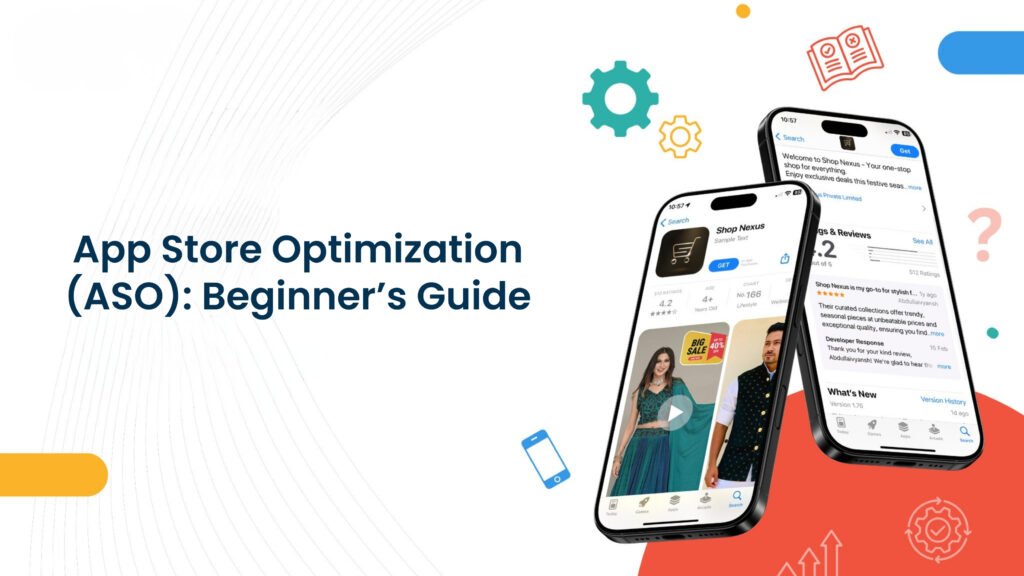
Introduction to App Store Optimization (ASO) App Store Optimization (ASO) has emerged as a critical practice within the mobile app ecosystem, serving as the bridge between an app’s potential audience and its discovery within app stores. As millions of applications vie for visibility, ASO practices focus on enhancing an app’s visibility and ultimately increasing its downloads. This optimization process is paramount for app developers and marketers alike since success in app stores directly impacts revenue and user engagement. The primary aims of ASO include improving app store rankings, enhancing user acquisition, and increasing conversion rates from app store views to actual downloads. By strategically choosing relevant keywords, optimizing app titles, descriptions, and visuals, developers can ensure that their applications stand out among the competition. Additionally, ASO also involves monitoring user reviews and ratings, adjusting to feedback, and staying updated with trends to maintain competitiveness. For app developers, understanding the nuances of ASO is essential, as it allows them to formulate effective strategies for positioning their products in a crowded marketplace. Marketers play an equally vital role by utilizing ASO techniques to create compelling narratives around the app, targeting the right audience, and improving overall brand visibility. As the mobile landscape continues to evolve, the importance of ASO is only likely to grow, reinforcing the need for all stakeholders to leverage these strategies effectively. Throughout this blog post, we will delve deeper into the fundamental aspects of ASO, including keyword research, app store analytics, and best practices for optimizing both the Android and iOS platforms. This comprehensive guide aims to empower both developers and marketers to achieve their objectives through effective App Store Optimization. Understanding the App Store Landscape The app store landscape is diverse, comprising various platforms where applications can be discovered, downloaded, and used. The most prominent among these are Apple’s App Store and Google Play Store, each hosting millions of apps and serving unique user bases. Apple’s App Store primarily caters to iOS users, while the Google Play Store is directed towards Android customers. Understanding these distinctions is vital for developers aiming to optimize their applications effectively. Each app store operates on its specific algorithm, which governs how apps are ranked and displayed to users. For instance, the Apple App Store may prioritize factors such as user reviews, downloads, and engagement metrics, whereas the Google Play Store incorporates similar criteria but may also account for app updates and overall performance history. Consequently, an application performing well in one store might not receive the same recognition in another due to these algorithmic differences. Therefore, it is essential for developers to create tailored App Store Optimization (ASO) strategies that cater to the nuances of each platform. The competitive nature of these stores further emphasizes the significance of effective ASO. With thousands of new apps launched every day, standing out among competitors requires meticulous planning and execution. ASO encompasses various methods, including keyword optimization, asset enhancement, and leveraging user feedback to heighten visibility and improve listings. This approach not only fosters better discoverability but also increases the chances of converting potential downloads into active users. As the digital landscape continues to evolve, the importance of customized ASO strategies in navigating the app store marketplace cannot be understated. Keyword Research for ASO Keyword research is a pivotal component of App Store Optimization (ASO), directly influencing the visibility and discoverability of applications in app stores. The process involves identifying relevant keywords that potential users are actively searching for and understanding how to integrate them effectively into the app’s metadata. Proper keyword selection can significantly enhance an app’s ranking in search results, leading to increased downloads and user engagement. To begin keyword research, various tools can be utilized to analyze search trends and user behavior. Popular ASO tools such as App Annie, Sensor Tower, and Mobile Action offer insights into keyword performance, competitive analysis, and optimization opportunities. These tools enable developers and marketers to discover high-traffic keywords and assess their difficulty, helping to prioritize the most impactful terms. Furthermore, exploring related keywords, synonyms, and long-tail phrases can uncover valuable opportunities that may not be immediately apparent. An effective keyword strategy necessitates placing selected keywords within specific sections of the app metadata, including the app title, description, and keyword field. The app title should contain the primary keyword, as it plays a critical role in both ranking and attracting user attention. The description should seamlessly incorporate additional keywords, providing clear and concise information about the app’s functionalities while ensuring engaging content for potential users. Lastly, using the keyword field to remove any filler words allows for optimal use of the available character limit, ensuring that relevant terms that enhance visibility are not overlooked. In conclusion, conducting thorough keyword research and strategically placing keywords within app metadata is essential for achieving effective ASO. By implementing a well-crafted keyword strategy, developers can significantly improve their app’s chances of being discovered and downloaded by their target audience. Optimizing App Title and Description Creating an app title and description that effectively captures user attention while being optimized for search engines is crucial for successful App Store Optimization (ASO). The app title should be succinct yet descriptive, bearing in mind that it is one of the first elements users see when browsing the App Store. A well-crafted title typically includes the primary keyword relevant to the app’s functionality, ensuring that it appears in search results. It is best practice to limit the title to a maximum of 30 characters to maintain clarity and effectiveness, as lengthy titles may not display fully on all devices. When considering the app description, it is essential to maintain a balance between creativity and optimization. Begin with a compelling introduction that highlights the app’s unique features and benefits. Make sure to include important keywords naturally throughout the description without resorting to keyword stuffing, as this can negatively impact readability and user experience. The primary keyword should ideally be integrated within the first few sentences, as this is where it will resonate most with both
Best Practices for App UI/UX Design

Introduction to UI/UX Design User Interface (UI) and User Experience (UX) design are two fundamental components that play a pivotal role in the development of mobile applications. Although often used interchangeably, they represent distinct aspects of the overall user journey. UI design pertains to the visual elements of an application, encompassing layouts, colors, typography, and interactive components. It focuses on how users interact with the app’s interface, ensuring that it is aesthetically appealing and easy to navigate. A well-designed UI not only attracts users but also enhances usability by presenting information in a clear and structured manner. On the other hand, UX design addresses the broader context of user interactions with the app. It encompasses all aspects of the user’s experience, including usability, accessibility, and overall satisfaction. The goal of UX design is to create a meaningful and enjoyable experience for users. This is achieved by understanding user needs, behaviors, and pain points before and during the design process. A strong UX incorporates user feedback, iterative testing, and a robust understanding of the target audience to optimize functionality and engagement. Together, UI and UX design significantly influence user satisfaction and loyalty. A harmonious blend of both elements can lead to an intuitive and efficient app that users are more likely to recommend and use repeatedly. In a competitive app marketplace, investing time and resources into effective UI/UX design can be the distinguishing factor that leads to an application’s success. As such, developers and designers must prioritize these aspects from the very outset of the design process to cultivate a user-centric approach that meets the evolving expectations of their audience. Understanding Your Target Audience To create an effective app that resonates with users, it is imperative to thoroughly identify and understand the target audience. This process begins with developing user personas, which are fictional representations of the ideal users. By collecting data on demographics, preferences, and behaviors, designers can construct detailed personas that embody the various segments of the target audience. Such profiles not only help in visualizing the users but also ensure that the design choices are aligned with their specific needs. Demographic considerations play a critical role in informing UI/UX design decisions. Factors such as age, gender, location, and educational background can significantly influence user interactions with an app. For instance, a younger audience may prefer a contemporary, vibrant interface, while older users might appreciate a more straightforward and accessible layout. By analyzing these demographics, designers can tailor the user experience to meet the expectations and preferences of their audience. Understanding user needs and pain points further enhances the design process. Conducting interviews, surveys, and usability tests allows designers to gain valuable insights into what users are looking for in an app. Identifying challenges that users face while engaging with similar applications can highlight opportunities for improvement and innovation. Addressing these pain points not only increases user satisfaction but also fosters loyalty. By amalgamating insights from user personas, demographics, needs, and pain points, designers can create a more relevant and engaging user experience. This foundational understanding guides the design process, enabling the development of an app that not only meets user expectations but also delivers a seamless and enjoyable interaction. In achieving this, an app is positioned to succeed in a competitive marketplace, catering effectively to its intended audience. Establishing a Clear Visual Hierarchy Visual hierarchy is a critical aspect of UI design that significantly impacts user experience. By effectively utilizing size, color, and spacing, designers can prioritize elements on the screen, thereby guiding users through the app seamlessly. A clear visual hierarchy helps users navigate the application more intuitively, making it easier for them to find information and interact with features. When elements are arranged thoughtfully, users can comprehend the structure of the app at a glance, resulting in a more engaging experience. Size plays a pivotal role in establishing a visual hierarchy. Larger elements typically draw more attention, making them suitable for crucial features such as call-to-action buttons. For example, a prominent ‘Sign Up’ button should be larger than secondary options, thereby encouraging users to take specific actions. Conversely, smaller text can denote less important information, allowing users to decipher priority without confusion. Color is another significant factor. Utilizing contrasting colors can help important information stand out, while consistent color schemes can reinforce brand identity. For instance, using a vibrant color for primary buttons against a neutral background not only catches the user’s eye but also directs their focus where it is needed most. However, designers should be mindful of accessibility; color should not be the sole means of conveying important messages, as colorblind users may not distinguish the differences. Spacing also contributes to visual hierarchy by preventing clutter. Adequate white space helps separate elements, allowing users to naturally scan the screen without feeling overwhelmed. A well-spaced layout lets critical features breathe, significantly enhancing usability. For example, overcrowded interfaces can lead to confusion, resulting in poor user interaction and satisfaction. In conclusion, establishing a clear visual hierarchy in UI design is essential for enhancing user experience. By strategically using size, color, and spacing, designers can create pathways that guide users effectively, ultimately ensuring they engage with the app as intended. Consistency in Design Elements In the realm of app UI/UX design, consistency in design elements plays a pivotal role in enhancing user experience and establishing brand identity. A well-considered approach to design consistency directly influences an app’s usability, intuitiveness, and overall aesthetic appeal. Key aspects include the use of color schemes, typography, buttons, and icons, which should remain uniform throughout the application. Color schemes are one of the most visible design elements, and a cohesive palette helps create a harmonious look and feel across various parts of the app. Consistent use of colors not only reinforces branding but also facilitates navigation by helping users quickly identify different functions or sections. For instance, if a specific color is designated for primary actions, such as submission buttons, users will know to associate that color with similar actions
Top App Development Frameworks to Use in 2025

Introduction to App Development Frameworks In the rapidly evolving field of technology, app development frameworks play a crucial role in enhancing the efficiency and effectiveness of software development. These frameworks consist of pre-designed structures and coding practices that guide developers in building applications more rapidly and with greater consistency. They serve as a foundation upon which developers can create robust applications with reduced coding complexities, allowing them to focus on the unique features and functionalities that set their apps apart. One of the primary advantages of utilizing app development frameworks is the acceleration of the development process. By providing a plethora of built-in functionalities and coding tools, frameworks reduce the time required for coding from scratch. This efficiency not only saves resources but also allows developers to concentrate on optimization and user experience, ultimately leading to the creation of high-quality applications that meet market demands. Moreover, app development frameworks encapsulate best practices and coding standards, ensuring consistency across different projects. This standardization is particularly beneficial when teams are involved, as it facilitates collaboration and integration of various components developed by different programmers. As a result, frameworks help maintain a systematic approach to app development, which is essential for large-scale applications. In addition to improving development speed and coding practices, these frameworks often incorporate tools for debugging and testing, which further enhances the quality of the final product. By integrating these functionalities, frameworks help developers identify and rectify issues early in the development lifecycle, leading to more stable and reliable applications upon release. Overall, app development frameworks are indispensable tools that streamline the software development process, ultimately contributing to the creation of impactful and high-quality mobile applications. The Evolution of App Development Frameworks The landscape of app development frameworks has undergone significant transformation since the inception of programming languages. In the early days of computing, developers relied on low-level programming languages such as Assembly and C, which required extensive coding knowledge and understanding of hardware. As technology evolved, so did the need for more accessible tools, leading to the emergence of higher-level languages and the first frameworks, which simplified the development process by offering reusable code components. The introduction of Object-Oriented Programming (OOP) in the 1980s further revolutionized app development. This paradigm allowed developers to create modular code, which enhanced maintainability and scalability. With the arrival of the internet and the subsequent boom in web applications in the 1990s, frameworks became essential for managing complex web infrastructures. Technologies such as PHP and Ruby on Rails gained traction, exemplifying the need for frameworks to streamline development while enhancing user experience. As consumer preferences shifted towards mobile and responsive designs in the late 2000s, frameworks continued to evolve. The rise of smartphones ushered in frameworks specifically designed for mobile app development, such as React Native and Flutter, which allow developers to create applications across multiple platforms using a single codebase. Furthermore, the increasing integration of cloud computing has facilitated the development of frameworks that support robust back-end services, simplifying the process for developers. In light of ongoing advancements in artificial intelligence and machine learning, the future of app development frameworks appears poised for further innovation, with an emphasis on enhancing user interactivity and personalized experiences. The continuous interplay between technological advancements and shifting consumer needs has laid the groundwork for what app development frameworks will look like in 2025. As developers seek efficient and effective ways to build engaging applications, understanding this evolutionary context is paramount for anticipating future trends. Key Features to Look for in 2025 Frameworks As the landscape of app development continues to evolve, selecting the right framework in 2025 will hinge upon several critical features. One of the foremost attributes to consider is cross-platform capability. In a world increasingly dependent on diverse devices, frameworks that facilitate seamless development across various operating systems—such as iOS, Android, and web platforms—are invaluable. This not only reduces development time and costs but also ensures a wider reach for end-user applications. Furthermore, performance efficiency stands out as a critical feature. A framework’s ability to deliver a fast and responsive user experience can significantly impact user satisfaction and retention. Efficient memory management, optimized processing speeds, and minimal load times are essential factors that developers should evaluate when choosing a framework. Community support also plays a pivotal role in the sustainability of a development framework. Strong community backing can provide robust resources, including libraries, plugins, and troubleshooting assistance. A vibrant community means developers can collaborate, share insights, and gain access to timely updates—how critical this is for adapting to new technologies and challenges that may arise. Ease of integration into existing systems is another essential feature developers should prioritize. Frameworks that offer straightforward API integrations simplify the process of incorporating new functionalities, making it easier to enhance applications with third-party services and emerging technologies. This becomes particularly vital as integration with IoT devices and artificial intelligence becomes more prevalent in app development. Lastly, compatibility with emerging technologies cannot be overlooked. As industries increasingly adopt AI and IoT, frameworks that are designed to support these innovations will allow developers to stay ahead of the curve. By considering these key features, developers can make informed decisions that will enhance productivity and ensure the success of their applications in 2025 and beyond. Top Frameworks Predicted for 2025 As we look ahead to 2025, several app development frameworks are poised to capture significant attention in the industry. Among these, React Native, Flutter, and Xamarin stand out due to their unique features and extensive user bases. React Native, developed by Facebook, continues to be a leading choice among developers for cross-platform mobile application development. Its ability to facilitate the creation of native-like applications using JavaScript has made it immensely popular. One of its key advantages is the hot-reloading feature, allowing developers to see the results of their changes immediately. With a strong community backing and extensive library support, React Native is expected to remain a primary framework for mobile app development enthusiasts in 2025. Flutter, Google’s open-source UI toolkit, is
Why Every Start-Up Needs a Mobile App

Introduction to the Mobile App Revolution In today’s fast-paced digital landscape, mobile applications have emerged as pivotal components for business growth, particularly for start-ups aiming to establish their presence in competitive markets. The surge in smartphone usage has transformed how consumers interact with brands and access services. Recent statistics indicate that mobile apps account for over 90% of smartphone usage, demonstrating an unprecedented reliance on these platforms for communication, shopping, and information. This shift underscores the necessity for start-ups to adopt mobile applications as part of their core business strategy. The mobile app revolution has not only altered consumer behaviors but has also opened up innovative avenues for engagement and marketing. Start-ups that harness the power of mobile applications can achieve enhanced visibility, foster customer loyalty, and drive revenue growth. Research reveals that 57% of users prefer mobile applications over websites for the convenience they offer. Consequently, businesses that do not prioritize mobile app development may find themselves at a significant disadvantage in terms of customer reach and retention. Furthermore, mobile applications allow for personalized experiences, enabling businesses to tailor their offerings according to user preferences and behaviors. This level of customization can significantly improve customer satisfaction and engagement, making it vital for start-ups to invest in app development. With the ability to gather valuable data analytics, mobile applications empower entrepreneurs to refine their services and marketing strategies based on consumer insights. As we delve deeper into the critical advantages of mobile apps for start-ups, it becomes evident that embracing this technological shift is no longer optional. Start-ups looking to thrive in an era defined by digital transformation must recognize mobile applications as essential tools to enhance customer connectivity and expand their market influence. Enhancing Customer Engagement In the contemporary marketplace, customer engagement has evolved into a critical factor for the success of any start-up. Mobile apps, in particular, provide unique opportunities to enhance this engagement, distinguishing them from traditional web platforms. One of the most significant advantages of mobile applications is the capability to send push notifications. These notifications serve as timely reminders or updates, effectively encouraging users to interact with the app regularly. By keeping customers informed about new products, special offers, or important announcements, start-ups can foster a sense of involvement and urgency that a static website may lack. Moreover, mobile apps can deliver a personalized user experience tailored to individual preferences. Utilizing data analytics, start-ups can track user behavior and tailor content accordingly. This customization not only improves user satisfaction but also enhances the likelihood of repeat interactions, as customers feel that their unique needs are acknowledged. By integrating user profiles and preferences, companies can create a more engaging atmosphere, encouraging deeper loyalty and repeated visits. Another factor contributing to improved customer engagement through mobile apps is the ease of access to services. Mobile applications provide quick and convenient tools for users to interact with the start-up, whether it is purchasing a product, scheduling a service, or seeking customer support. This streamlined accessibility enables customers to complete tasks efficiently, thereby enhancing their overall experience. When users can quickly engage with a brand, they are more likely to form a lasting relationship. In summary, the features offered by mobile applications, such as push notifications, personalized experiences, and seamless access to services, are invaluable for start-ups looking to create a loyal customer base and improve communication. By prioritizing customer engagement through mobile platforms, start-ups can pave the way for sustained growth and success in an increasingly digital world. Building Brand Visibility and Recognition In the contemporary business landscape, mobile applications play an essential role in enhancing a start-up’s brand visibility and recognition. With the majority of consumers spending significant time on their mobile devices, having a mobile app allows businesses to maintain a constant presence in the daily lives of their target audience. This omnipresence not only keeps the brand at the forefront of users’ minds but also facilitates deeper engagement with the brand through interactive features and personalized content. Mobile apps serve as a direct communication channel with customers, providing businesses the opportunity to reinforce brand messaging. By utilizing push notifications and in-app messaging, start-ups can communicate timely promotions, updates, or company news directly to consumers. This immediacy fosters a sense of urgency and encourages user action, enhancing brand interaction. Furthermore, the design and user experience of the app itself contribute significantly to the overall brand image. A well-designed app that aligns with the brand’s identity can leave a lasting impression, further solidifying brand recognition. To optimize the benefits of mobile applications, start-ups should consider various strategies. First, integrating social media sharing features within the app allows users to easily promote the brand within their networks, effectively broadening the reach. Additionally, creating loyalty programs or rewards systems within the app encourages continued usage and fosters brand loyalty. Another effective approach is utilizing user-generated content and reviews, which can showcase positive experiences and enhance the brand’s credibility. By employing these tactics, start-ups can leverage mobile apps not only to enhance visibility but to build a strong, recognizable brand that stands out in a crowded market. Competitive Advantage Over Rivals In today’s digital landscape, having a mobile app has become an essential strategy for start-ups looking to gain a competitive advantage. With the proliferation of smartphones and a growing reliance on mobile devices, businesses that utilize apps can capture consumer attention in ways that traditional websites cannot. Recent market trends indicate that mobile app usage is exponentially increasing, with consumers spending more time on apps than on mobile websites. This shift underscores the necessity for start-ups to develop an app that caters to their target audience. Successful case studies exemplify how mobile apps can propel start-ups ahead of more established competitors. For instance, a well-known meal delivery service began as a small start-up but quickly scaled by leveraging a user-friendly app to streamline its orders. This focus on mobile accessibility not only helped the start-up outperform rivals but also built a loyal customer base that favored convenience over
App Development Project Planning: A Step-by-Step Guide from Idea to Launch
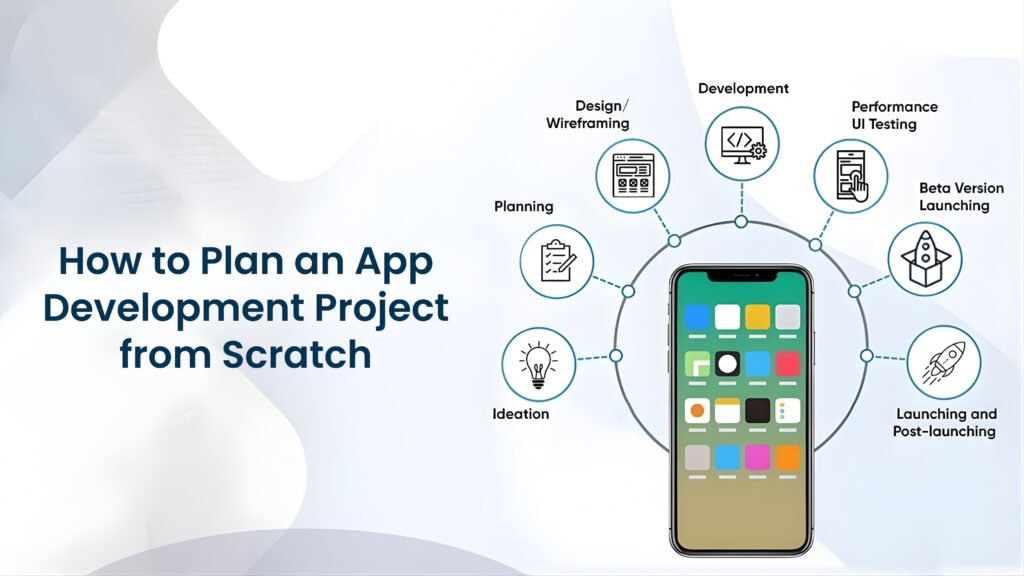
Understanding Your App Idea Defining your app idea is a crucial first step in the app development project. A clear and concise concept serves as the foundation for all subsequent stages, influencing design, functionality, and even marketing strategies. Start by brainstorming your ideas without filtering them; this encourages creativity and exploration of unique solutions to potential problems.App development project planning begins with clearly defining your app idea, goals, and target audience before moving into design and development. Once you have a list of ideas, analyze them to identify the core purpose of your app. Ask yourself what specific problem your app aims to solve or what need it addresses in your target audience’s life. This process of refinement ensures that you are focusing on a viable proposition that stands out in a competitive market. A key aspect of this phase is understanding your target audience. Identify who will benefit most from your app. Consider their demographics, preferences, and behaviors; this insight will guide many aspects of your app’s development. You may employ surveys, interviews, or focus groups to gather valuable information directly from potential users, thus ensuring your app resonates with its intended users. Furthermore, conducting thorough market research is imperative. This involves analyzing existing applications that serve similar audiences or purposes. Study their strengths, weaknesses, and user feedback. Such analysis aids in recognizing opportunities and gaps in the market that your app can fill, providing a competitive edge as you progress in the development process. Validation of your app idea is another essential step. Once you have outlined your concept and identified your target audience, seek feedback on your idea. This can be done through prototypes, mock-ups, or even landing pages that gauge interest before full-scale development. Validating your app concept early on minimizes the risk of investing time and resources into a project that may not succeed, ensuring that your development efforts are aligned with market demands. Defining Project Requirements Defining project requirements is a crucial step in the app development process. This phase involves gathering and documenting all the essential features and functionalities that the app must encompass to meet the needs of its target audience. To begin with, it is beneficial to conduct interviews and surveys with potential users, stakeholders, and team members to collect insights and expectations. This collaborative approach ensures that all perspectives are considered, allowing for a comprehensive understanding of user needs. Once adequate information has been gathered, the next step involves creating a detailed list of requirements. This list should categorize features into two distinct groups: must-have and nice-to-have elements. Must-have features are those that are critical for the app to function effectively and fulfill its primary objectives. Examples may include user authentication, data storage capabilities, and basic navigation. On the other hand, nice-to-have features, such as advanced analytics or social media sharing options, can enhance user experience but are not essential to the app’s core purpose. In addition to listing features, outlining user stories can be particularly helpful. User stories articulate specific scenarios in which a user interacts with the app, providing a clearer context for developers. For instance, a user story might describe how a user logs in, navigates the app, and performs key tasks relevant to their needs. This practice not only clarifies expectations but also assists in prioritizing functionality based on user demands. Lastly, it is imperative to set clear objectives for the app development project. These objectives should outline what the app is intended to achieve, providing a framework against which success can be measured. By defining project requirements meticulously, the development team can ensure that the final product aligns with user expectations and business goals, thereby laying a solid foundation for the app’s future success. Market Research and Competitor Analysis Engaging in comprehensive market research and conducting a thorough competitor analysis is paramount for the success of any app development project. Before diving into the design and development phases, it is essential to identify existing applications that share similarities with the intended app. This process involves recognizing key players in the market and understanding their offerings. Start by exploring app stores, forums, and social media platforms to gather insights into trends, user interests, and the prevailing demands in your specific niche. Once similar apps have been identified, the next step is evaluating their strengths and weaknesses. This can be achieved through both quantitative and qualitative analysis. Metrics such as download numbers, user ratings, and reviews provide a clear picture of an app’s performance. Additionally, examining the features that resonate positively with users can offer valuable inspiration for your own project. Conversely, identifying the drawbacks highlighted in user feedback allows you to avoid potential pitfalls and refine your app’s concept. For instance, if a competitor’s app receives criticism for poor navigation, addressing this aspect in your development can be a significant differentiator. Moreover, understanding user expectations is crucial. By delving into user reviews and discussions related to rival apps, you can glean insights into what features users find most valuable. This feedback loop not only helps in enhancing your app concept but also ensures that you are tailoring your offerings to meet genuine needs within the market. Conducting surveys or focus groups may further enhance your understanding of user preferences. By systematically analyzing both market data and appreciating user sentiments, you create a robust foundation for developing an innovative app that stands apart in a crowded landscape. Budgeting and Resource Allocation Budgeting and resource allocation are crucial aspects of planning an app development project. To ensure the successful execution of the project, it is essential to start with a well-defined budget that encompasses all necessary financial elements. The first step in the budgeting process involves estimating the overall costs associated with the app’s development. This includes expenses related to design, development, testing, marketing, and ongoing maintenance. When estimating the budget, it is important to consider the various roles required for the project. This may include hiring developers, designers, project managers, and quality assurance testers. Each role
Native vs Cross-Platform App Development: Which Is Right for Your Business?
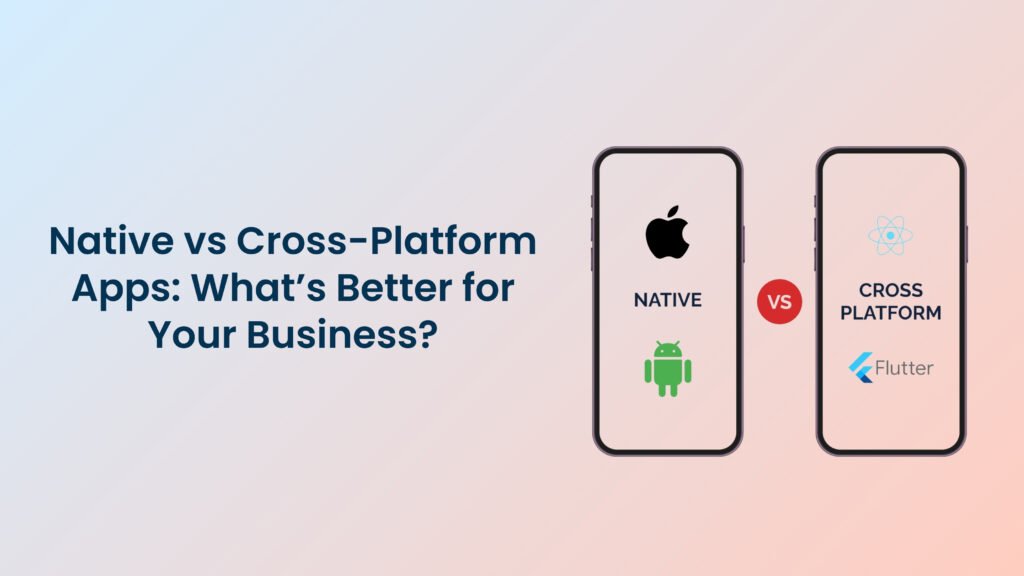
Introduction to App Development Native vs cross-platform app development has become a crucial decision for businesses investing in mobile applications. In this competitive environment, understanding the differences between native and cross-platform app development is crucial. Each approach offers unique benefits and challenges that cater to different business needs and user experiences. Native apps are applications specifically designed for a particular operating system, such as iOS or Android. These apps utilize the device’s built-in features and functionalities, which allow for optimized performance and a seamless user experience. Businesses often choose native development when they need high-performance applications that rely heavily on hardware capabilities, such as graphics-intensive games or applications that require real-time processing. The key advantages include access to the platform’s APIs and improved responsiveness, which can significantly enhance user satisfaction and engagement. On the other hand, cross-platform apps are designed to operate on multiple operating systems using a single codebase. This approach enables businesses to save time and resources during development and maintenance. Popular frameworks such as React Native and Flutter have made it easier for organizations to adopt cross-platform development, bridging the gap between various systems. Although these apps may not fully utilize the inherent capabilities of each platform, they allow for quicker deployment and broader market reach, making them an attractive option for startups and companies with budget constraints. Understanding the landscape of app development is essential for businesses contemplating the creation or enhancement of their mobile presence. The choice between native and cross-platform apps has substantial implications for cost, user experience, and overall business success. As we explore the merits and limitations of each approach, it is crucial to consider the specific goals and requirements of your organization. Understanding Native Applications Native applications are software applications developed specifically for a particular platform, such as iOS or Android. These applications are built using the platform’s native programming languages and development tools, which enable them to leverage the unique features and functionalities of the operating system. For instance, developers use Swift or Objective-C for iOS applications, while Java or Kotlin is typically employed for Android applications. This specificity allows native apps to achieve optimal performance and a seamless user experience, as they can efficiently utilize the hardware and software capabilities of the device. One of the key advantages of native applications is their exceptional performance. Since they are built for a specific platform, they can run faster and more smoothly compared to cross-platform applications. This is particularly important for businesses that require resource-intensive features, such as augmented reality or high-resolution graphics in gaming apps. The integration with the device’s hardware means that native applications can process tasks quickly, thereby enhancing the user experience. Another significant benefit of native applications lies in their superior user experience. User interfaces (UIs) can be crafted to align closely with the guidelines of the respective platform, thereby ensuring that users encounter a familiar look and feel. This alignment not only serves to improve usability but also fosters user retention, which is vital for businesses looking to maintain a loyal customer base. Furthermore, native apps have direct access to device features, such as the camera, GPS, and notifications, enabling businesses to deliver more engaging and interactive experiences to users. When evaluating native vs cross-platform app development, native applications often stand out for performance and hardware optimization. In summary, native applications present a compelling option for businesses targeting specific platforms. Their performance, user experience, and access to device features significantly contribute to the effectiveness of applications in delivering value to both users and businesses alike. Exploring Cross-Platform Applications Cross-platform applications are software solutions designed to operate on multiple operating systems, such as iOS, Android, and Windows, with a single codebase. This approach allows developers to create applications that can be deployed across different platforms without the need for extensive modifications. The main technologies and frameworks that facilitate the development of cross-platform apps include React Native, Flutter, Xamarin, and Ionic. Each of these frameworks offers unique features and advantages, enabling developers to create visually appealing and high-performance applications with relative ease.In native vs cross-platform app development, cross-platform solutions are preferred by startups due to faster development and lower costs. One of the most significant benefits of cross-platform apps is code reusability. By utilizing a single codebase, developers can significantly reduce the time and effort required for application development. This reduction in workload is particularly beneficial for businesses with limited resources or tight deadlines. Cross-platform development allows teams to focus on building essential features without the need for duplicating efforts across various platforms, ultimately leading to cost savings and faster time-to-market. Another advantage of cross-platform applications is their ability to reach a broader audience. With an increasing number of users accessing mobile applications across various devices and operating systems, businesses can expand their customer base by deploying their applications on multiple platforms. This flexibility ensures that companies do not miss potential customers who prefer specific devices. Additionally, cross-platform frameworks often have integrated tools that streamline the testing and debugging processes, enhancing the overall development experience. By providing a consistent environment for testing, these tools help ensure that applications function seamlessly across different devices, reducing the likelihood of platform-specific issues arising post-launch. In conclusion, cross-platform applications present a viable solution for businesses seeking efficiency, cost-effectiveness, and a wider reach in the increasingly competitive digital landscape. By carefully considering the advantages offered by cross-platform development, organizations can make informed decisions that align with their strategic objectives and market needs. Performance Comparison: Native vs Cross-Platform App Development The performance of mobile applications is a critical factor that can significantly influence user experience and satisfaction. When comparing native and cross-platform apps, several dimensions require examination, including speed, responsiveness, and overall smoothness of operation. Native apps, built specifically for a particular operating system using the respective platform’s programming languages, often exhibit superior performance. They have direct access to device resources such as the camera, GPS, and other hardware, allowing them to run faster and more efficiently. A significant advantage of native