Introduction to App Development
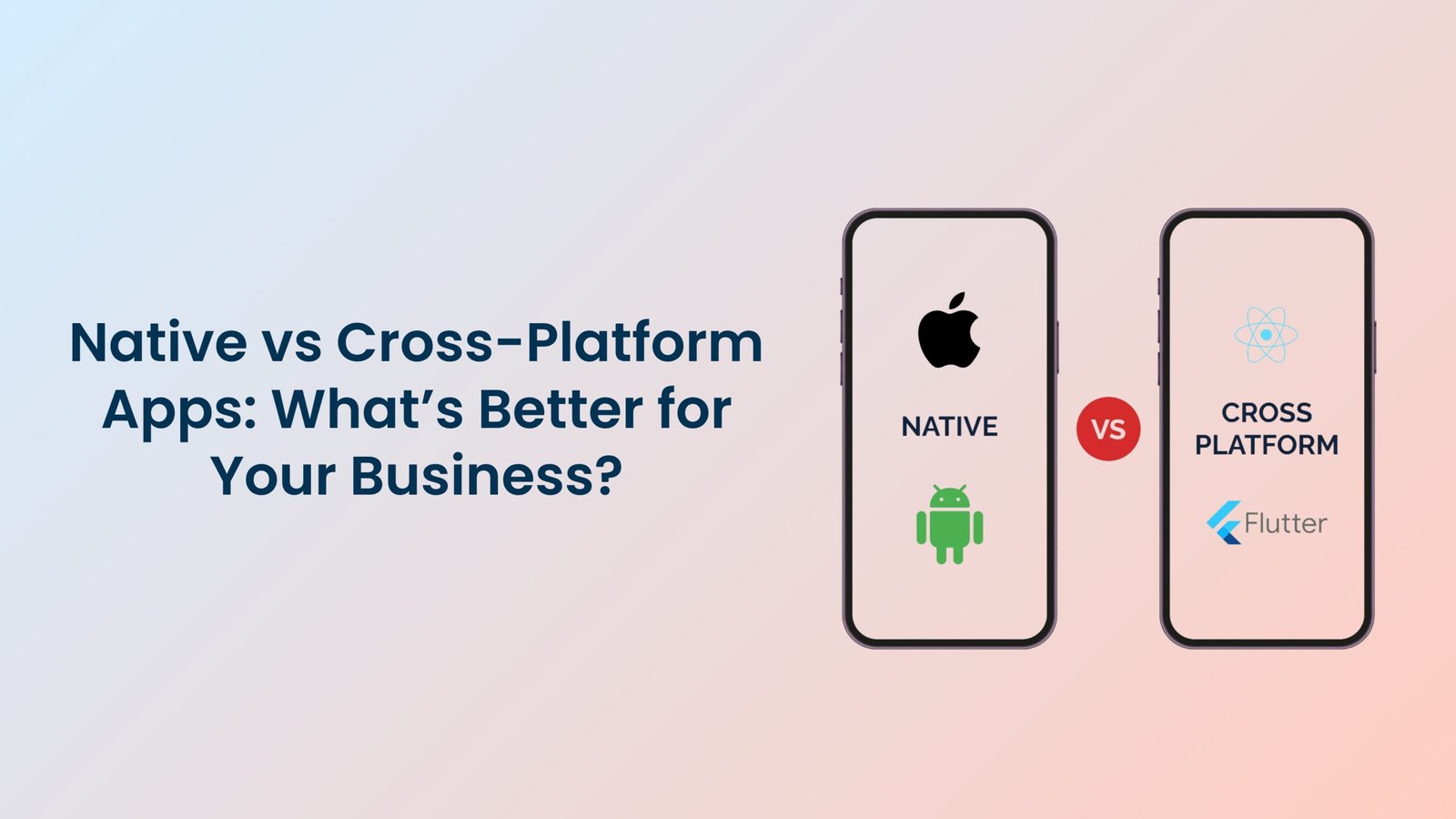
Native vs cross-platform app development has become a crucial decision for businesses investing in mobile applications. In this competitive environment, understanding the differences between native and cross-platform app development is crucial. Each approach offers unique benefits and challenges that cater to different business needs and user experiences.
Native apps are applications specifically designed for a particular operating system, such as iOS or Android. These apps utilize the device’s built-in features and functionalities, which allow for optimized performance and a seamless user experience. Businesses often choose native development when they need high-performance applications that rely heavily on hardware capabilities, such as graphics-intensive games or applications that require real-time processing. The key advantages include access to the platform’s APIs and improved responsiveness, which can significantly enhance user satisfaction and engagement.
On the other hand, cross-platform apps are designed to operate on multiple operating systems using a single codebase. This approach enables businesses to save time and resources during development and maintenance. Popular frameworks such as React Native and Flutter have made it easier for organizations to adopt cross-platform development, bridging the gap between various systems. Although these apps may not fully utilize the inherent capabilities of each platform, they allow for quicker deployment and broader market reach, making them an attractive option for startups and companies with budget constraints.
Understanding the landscape of app development is essential for businesses contemplating the creation or enhancement of their mobile presence. The choice between native and cross-platform apps has substantial implications for cost, user experience, and overall business success. As we explore the merits and limitations of each approach, it is crucial to consider the specific goals and requirements of your organization.
Understanding Native Applications
Native applications are software applications developed specifically for a particular platform, such as iOS or Android. These applications are built using the platform’s native programming languages and development tools, which enable them to leverage the unique features and functionalities of the operating system. For instance, developers use Swift or Objective-C for iOS applications, while Java or Kotlin is typically employed for Android applications. This specificity allows native apps to achieve optimal performance and a seamless user experience, as they can efficiently utilize the hardware and software capabilities of the device.
One of the key advantages of native applications is their exceptional performance. Since they are built for a specific platform, they can run faster and more smoothly compared to cross-platform applications. This is particularly important for businesses that require resource-intensive features, such as augmented reality or high-resolution graphics in gaming apps. The integration with the device’s hardware means that native applications can process tasks quickly, thereby enhancing the user experience.
Another significant benefit of native applications lies in their superior user experience. User interfaces (UIs) can be crafted to align closely with the guidelines of the respective platform, thereby ensuring that users encounter a familiar look and feel. This alignment not only serves to improve usability but also fosters user retention, which is vital for businesses looking to maintain a loyal customer base. Furthermore, native apps have direct access to device features, such as the camera, GPS, and notifications, enabling businesses to deliver more engaging and interactive experiences to users. When evaluating native vs cross-platform app development, native applications often stand out for performance and hardware optimization.
In summary, native applications present a compelling option for businesses targeting specific platforms. Their performance, user experience, and access to device features significantly contribute to the effectiveness of applications in delivering value to both users and businesses alike.
Exploring Cross-Platform Applications
Cross-platform applications are software solutions designed to operate on multiple operating systems, such as iOS, Android, and Windows, with a single codebase. This approach allows developers to create applications that can be deployed across different platforms without the need for extensive modifications. The main technologies and frameworks that facilitate the development of cross-platform apps include React Native, Flutter, Xamarin, and Ionic. Each of these frameworks offers unique features and advantages, enabling developers to create visually appealing and high-performance applications with relative ease.In native vs cross-platform app development, cross-platform solutions are preferred by startups due to faster development and lower costs.
One of the most significant benefits of cross-platform apps is code reusability. By utilizing a single codebase, developers can significantly reduce the time and effort required for application development. This reduction in workload is particularly beneficial for businesses with limited resources or tight deadlines. Cross-platform development allows teams to focus on building essential features without the need for duplicating efforts across various platforms, ultimately leading to cost savings and faster time-to-market.
Another advantage of cross-platform applications is their ability to reach a broader audience. With an increasing number of users accessing mobile applications across various devices and operating systems, businesses can expand their customer base by deploying their applications on multiple platforms. This flexibility ensures that companies do not miss potential customers who prefer specific devices.
Additionally, cross-platform frameworks often have integrated tools that streamline the testing and debugging processes, enhancing the overall development experience. By providing a consistent environment for testing, these tools help ensure that applications function seamlessly across different devices, reducing the likelihood of platform-specific issues arising post-launch.
In conclusion, cross-platform applications present a viable solution for businesses seeking efficiency, cost-effectiveness, and a wider reach in the increasingly competitive digital landscape. By carefully considering the advantages offered by cross-platform development, organizations can make informed decisions that align with their strategic objectives and market needs.

Performance Comparison: Native vs Cross-Platform App Development
The performance of mobile applications is a critical factor that can significantly influence user experience and satisfaction. When comparing native and cross-platform apps, several dimensions require examination, including speed, responsiveness, and overall smoothness of operation. Native apps, built specifically for a particular operating system using the respective platform’s programming languages, often exhibit superior performance. They have direct access to device resources such as the camera, GPS, and other hardware, allowing them to run faster and more efficiently.
A significant advantage of native applications is their ability to leverage the full capabilities of the operating system, which leads to better integration with system functionalities and higher performance. For example, a study conducted by AppEx in 2022 revealed that native apps tend to load faster and provide a much smoother user experience when executing complex graphics or intensive computations, critical for gaming or multimedia applications.
In contrast, cross-platform apps, developed using frameworks like React Native or Flutter, are designed to operate on multiple platforms using a single codebase. While this approach significantly reduces development time and costs, it often leads to trade-offs in terms of performance. Cross-platform apps might experience slower loading times and latency issues, especially when handling tasks that require high computational power or real-time processing.
For instance, in a performance evaluation comparing a native mobile game to its cross-platform counterpart, the native version managed to maintain higher frame rates and reduced lag, significantly enhancing user engagement. It is crucial to note that the actual performance can vary widely based on the specific use case and the framework employed, and thus each business should consider its unique needs and target audience when making a decision.
User Experience and Design Considerations
User experience (UX) and design are critical factors when assessing the effectiveness and suitability of native and cross-platform applications for businesses. Native apps are developed specifically for a particular operating system, which allows them to utilize platform-specific user interface (UI) elements. This tailored approach ensures that native applications can provide a richer and more intuitive UX, as they are optimized to match the conventions and expectations of the target audience. When users engage with a native app, they benefit from smoother animations, faster load times, and an overall familiarity with the design, enhancing their interaction with the application.
Conversely, cross-platform apps are designed to function on multiple operating systems using a single codebase. This approach allows developers to maintain consistency in design across various platforms, promoting brand identity and recognition. However, while cross-platform apps can effectively deliver uniformity, they may not fully leverage device-specific features or UI elements, which can result in a less refined user experience. This trade-off might lead to users experiencing subtle discrepancies in navigation or responsiveness when compared to native apps.
For businesses aiming to prioritize user engagement, the choice between native and cross-platform solutions largely depends on their specific audience and the type of interaction expected from the application. If the target market values high performance, personalized experiences, and platform adherence, investing in native app development may be the most advantageous route. On the other hand, if the goal is to reach a broader audience across different devices with a consistent design while managing development costs, a cross-platform solution could ensure effective coverage at the expense of some UX nuances.
Cost and Time of Development
When considering the development of mobile applications, businesses often weigh the pros and cons of native versus cross-platform solutions. One of the most decisive factors in this evaluation pertains to the cost and time of development. Native applications require building separate versions for different platforms—typically iOS and Android. This approach demands specialized knowledge and can lead to increased expenses. Additionally, businesses must consider the time involved in developing, testing, and deploying these applications across multiple environments. Each platform has its own development standards, tools, and frameworks, meaning teams need to work diligently to ensure functionality and performance meet user expectations.
On the other hand, cross-platform applications are built using a single codebase, allowing developers to create one version that operates seamlessly across both iOS and Android. This unified approach usually results in lower development costs since resources can be allocated more efficiently. Furthermore, the reduced need for duplicative efforts can significantly shorten the overall timeline for launching a cross-platform application, making it a favorable option for businesses with tighter schedules or limited budget constraints.
However, it is essential to consider potential hidden costs associated with both development strategies. For native apps, ongoing maintenance can become financially burdensome, especially when updates are necessary for each platform individually. In contrast, while cross-platform apps can save time during initial development, they may require additional investments in the form of performance optimization or added functionalities that are specific to each platform later on. Ultimately, the decision should be guided by a clear understanding of the project scope, the target audience, and the long-term vision for the application. Balancing initial expenditures with expected outcomes is crucial for successful app development.
Maintenance and Updates: A Crucial Factor
When evaluating mobile application development options, maintenance and updates are critical components that businesses must consider. The maintenance process can significantly affect a company’s overall resources and operational strategies in the long run. Native applications, developed specifically for one platform, tend to require distinct platform-specific updates. These updates often necessitate separate development cycles, meaning that businesses might need to allocate additional resources to maintain multiple versions of their native apps. Each mobile operating system, whether it be iOS or Android, has its own set of guidelines, tools, and requirements. Consequently, this can lead to an increased demand for skilled developers who are proficient in each platform’s technology, which further complicates app maintenance.
On the other hand, cross-platform applications aim to streamline maintenance processes through their unified codebase. With a single codebase, updates and new features can be deployed across multiple platforms at once, saving both time and resources. This efficiency can lead to regular updates that enhance user experience without necessitating the same level of dedicated resources as native app maintenance. However, it is worth noting that the cross-platform approach may occasionally encounter challenges in adaptation to platform-specific features or updates that arise in operating systems. This can lead to occasional delays or inconsistencies in user experience when compared to fully native applications.
Ultimately, the decision between native and cross-platform apps involves understanding the long-term implications on maintenance and updates. Businesses must assess their resource availability, budget constraints, and desired user engagement levels. By weighing these factors, a clearer picture of the ongoing commitments associated with each application type can emerge, guiding decision-makers toward an informed choice.
Case Studies: Success Stories from Both Approaches
Real-world examples of successful applications developed through both native and cross-platform methods serve to illuminate the advantages and challenges inherent to each approach. One notable example of a native app success story is the popular ride-hailing service, Uber. Uber’s decision to develop its application natively for both iOS and Android allowed it to leverage powerful device capabilities, providing features such as GPS tracking and real-time notifications. This focus on performance resulted in a polished user experience, enabling Uber to dominate the market and respond rapidly to user needs and fleet management demands. The ability to harness device functionalities directly has positioned Uber as a leader in mobile app development.
On the other hand, a compelling case for cross-platform development can be found in the fitness tracking app, Fitbit. Fitbit utilized a cross-platform framework to streamline the development process across various devices and operating systems. By adopting this approach, Fitbit effectively decreased time-to-market and ensured broad accessibility. This cross-platform capability not only accommodated a diverse user base but also simplified updates and feature enhancements. The company reported lower development costs and a wider audience reach, enabling it to focus on innovating its health-tracking features while maintaining a cohesive user experience across platforms.
These case studies exemplify the distinct merits of both native and cross-platform app development. While Uber’s native approach highlights the importance of performance and optimization, Fitbit’s cross-platform strategy underscores the value of cost-effectiveness and broad audience engagement. Businesses considering their own app development strategies can learn valuable lessons from these success stories. Ultimately, the choice between native and cross-platform development hinges on specific goals, target audience, and available resources.
Making the Right Choice for Your Business
Choosing between native and cross-platform app development is a pivotal decision that can significantly influence the success of a business’s mobile strategy. Understanding the distinct advantages and drawbacks of each option empowers business leaders to align their development approach with their specific needs and objectives. Several factors warrant careful consideration when making this decision.
Firstly, it is essential to assess the target audience. If your users predominantly utilize one operating system, native app development may be appropriate. Native applications deliver a refined user experience, as they are tailored to leverage the full capabilities of the chosen platform, providing faster performance and smoother interactions. Conversely, if the aim is to reach a broader audience across diverse devices, cross-platform development may prove beneficial, enabling quicker deployment while maintaining similar functionality across platforms.Ultimately, the choice between native vs cross-platform app development depends on business goals, budget, and long-term scalability.
Budget constraints also play a crucial role in the decision-making process. Native app development usually incurs higher costs due to the need for separate codebases for different platforms. For startups or businesses with limited budgets, cross-platform solutions present a cost-effective alternative, allowing for a single codebase that runs on multiple platforms. However, businesses should weigh this against their long-term goals, as any initial savings might be overshadowed by potential limitations in performance or user experience.
Lastly, considering a hybrid approach may benefit some organizations. Hybrid apps combine elements of both native and cross-platform, allowing for a wider audience reach while still harnessing some native functionalities. This could provide an effective compromise, balancing development costs with quality and performance expectations.
Ultimately, the choice between native and cross-platform development hinges on a thorough evaluation of your business’s unique requirements, market vision, and resource allocations. By carefully analyzing these factors, businesses can make informed decisions that align with their strategic objectives.