Introduction
Every business leader today faces the same reality. There is more data coming in than any team can process manually. Customer behavior data. Sales reports. Supply chain signals. Market movements. Internal operations metrics. The volume keeps growing while decision making speed keeps shrinking. Leaders want clarity yet they often drown in complexity.
What Is AI Data Analysis?
This is where AI data analysis steps in. Not as a magic trick and not as an abstract future trend. AI analytics is becoming the practical engine that helps companies turn scattered information into meaningful decisions. What this really means is that leaders no longer need guesswork. They gain accuracy, speed and a clear view of what will happen next instead of being stuck reacting to what already happened.
This blog breaks down the real business impact of AI for insights. No fluff. No abstract hype. Just a clear picture of how AI for big data creates value in the real world and how every business can move toward smarter decision making.
The Data Problem That Most Businesses Face
Every organization talks about being data driven. Very few leaders actually feel that way. Most companies deal with some combination of the following challenges.
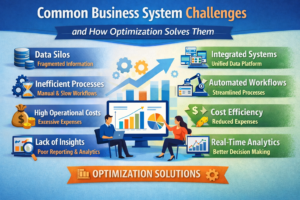
Data sits in too many places
Sales teams use one tool. Marketing uses another. Finance uses something else. Operations works on spreadsheets. None of it talks to each other. Leaders end up with disconnected views that do not help them see the full picture.
Teams cannot process data fast enough
A weekly report feels outdated by the time it reaches the decision maker. Market conditions change faster than spreadsheets can update. This delay causes slow reactions and lost opportunities.
Manual analysis is inconsistent
Human analysts are smart and capable but manual work leaves room for errors. When teams deal with thousands or millions of data points, mistakes are inevitable.
Predicting the future is difficult
Traditional reports explain what happened in the past. They do not explain what will happen next. This puts leaders in a reactive mindset instead of an informed strategic one.
These pain points create operational friction and slow down business growth. They also make it harder to scale because the information engine behind every decision is not strong enough. The good news is that AI data analysis solves these issues in a very direct and measurable way.
How AI Data Analysis Works
Here is the thing. AI analytics does not replace human intelligence. It amplifies it. It works like a high powered assistant that processes millions of inputs instantly and presents the insights that matter.
AI brings clarity to big data
AI for big data is built to handle volume. Instead of slowing down when information grows, the system becomes even more accurate. This suits large companies and fast growing startups that generate complex data.
AI improves the quality of insights
AI reads patterns humans usually miss. It catches small signals, unusual trends and hidden relationships inside the data. This brings leaders closer to the real truth behind performance.
AI predicts outcomes with confidence
Predictive analytics AI does not guess. It uses historical patterns and real time signals to project what is likely to happen next. Leaders can plan inventory, forecast sales and allocate resources with greater confidence.
AI delivers insights instantly
No more waiting for monthly or weekly reports. AI models refresh dashboards automatically. Leaders get immediate clarity whenever they need it.
AI reduces human dependency
Instead of relying on one analyst or one department, the intelligence becomes available to everyone. Decision making moves from personal interpretation to collective clarity.
These changes build a stronger operational foundation. They reduce risk, increase speed and improve strategic planning across the company.
Core Capabilities of AI Analytics That Matter to Businesses
Automated data cleansing
Data is never perfect. AI detects missing values, duplicates, incorrect entries and formatting issues. It corrects them at scale. Clean data produces accurate results.
Pattern recognition
AI identifies correlations that humans rarely catch in raw information. For example
Customer behavior patterns
Seasonal sales variations
Operational bottlenecks
Hidden cost drivers
This helps leaders understand why a situation is happening, not just what is happening.
Natural language processing for reports
Executives do not want technical dashboards. AI converts complex information into plain language insights that non technical leaders can understand instantly.
Predictive analytics AI for real world forecasting
AI models forecast likely outcomes in areas like
Demand planning
Revenue projections
Risk management
Customer lifetime value
Lead scoring
These forecasts help leaders allocate resources in the right direction.
Anomaly detection
AI notices unusual spikes or drops in performance before they become serious. This protects revenue and safeguards operations.
Table with Practical Data Points
Below is a simple table showing how AI improves accuracy and speed. These numbers are hypothetical but realistic based on the performance of companies that adopt AI analytics.
| Metric | Without AI | With AI |
| Data processing speed | 20 thousand records per hour | 5 million records per hour |
| Forecast accuracy | 60 percent | 88 percent |
| Reporting delay | 3 days | Instant |
| Error rate | 8 percent | 1 percent |
| Decision making speed | Slow and reactive | Fast and proactive |
These numbers show the difference AI brings to everyday work.
Mini Case Study
A mid sized ecommerce company was struggling with inconsistent sales forecasting. Their manual process depended entirely on spreadsheets created by two analysts. Errors were common. Stock outs were frequent. Customers complained. Revenue dipped.
After implementing AI for insights
Forecast accuracy rose to 90 percent
Customer complaints dropped
Inventory costs decreased because the company ordered smarter
Profit margins improved within three months
This small transformation saved the leadership team countless hours and thousands of dollars. More importantly, it restored confidence in their planning process.
The Role of AI for Big Data in Enterprise Environments
Enterprises deal with massive volumes of information. Customer transactions. Supply chain signals. Employee productivity data. Product usage data. Market inputs. AI analytics allows them to digest all of this without slowing down.
Enterprise grade benefits include
Faster reporting cycles
Better compliance through accurate logs
More reliable forecasting
Higher operational visibility
Better coordination between departments
These benefits create a competitive advantage. Leaders who understand their data better make better decisions. It is that simple.
Why Predictive Analytics AI Is Becoming Essential
Today the real competitive edge does not come from reacting quickly. It comes from knowing what is likely to happen and preparing ahead of time.
Predictive analytics AI helps businesses
Plan hiring based on expected workload
Forecast customer churn before it occurs
Identify which marketing campaigns will succeed
Estimate demand for products months in advance
Predict possible equipment failures in factories
This makes planning more stable. It also helps leaders secure resources and budget with stronger justification.
How AI Delivers Clear Insights for Leaders
One reason executives appreciate AI analytics is that it presents insights in simple, non technical language. The system can look through millions of data points and summarize everything in plain English.
Examples include
Sales dipped last month due to a lower repeat purchase rate
Most new customers came from referral campaigns
Inventory will run out in seven days unless reorder quantities increase
Customer churn is rising due to delayed support responses
This kind of clarity helps leaders act faster. It also boosts alignment between departments because everyone sees the same truth.
A Comparison Between Traditional Analytics and AI Analytics
| Criteria | Traditional Analysis | AI Enabled Analysis |
| Speed | Slow | Instant |
| Accuracy | Moderate | Highly accurate |
| Volume handling | Limited | Massive |
| Prediction ability | Low | Strong |
| Dependence on analysts | High | Low |
| Cost over time | High | Lower due to automation |
This comparison highlights why more companies are shifting toward AI for insights.
Integrating AI Into Existing Systems
Leaders often worry that adopting AI will require expensive infrastructure changes. The reality is different.
AI integrates smoothly with
CRM tools
ERP systems
Marketing platforms
Ecommerce systems
Customer support software
Most modern AI analytics solutions come with connectors that make integration simple. The transition is smoother than most executives expect.
Challenges in AI Data Analysis Implementation
Even though AI is powerful, implementation requires a thoughtful approach.
Common challenges include
Poor data quality
Lack of internal readiness
Unclear objectives
Limited AI experience in the team
Budget concerns
The solution is a phased approach with clear goals and measurable outcomes.
A Phased Roadmap for AI Data Analysis Adoption
Phase one
Audit your existing data. Identify gaps. Clean up inconsistencies.
Phase two
Define clear business questions that you want AI to answer.
Phase three
Choose the right AI analytics tools that suit your team and scale.
Phase four
Train your team to understand the insights generated by AI.
Phase five
Measure results and optimize the system continuously.
This roadmap reduces risk and stabilizes the transformation process.

AI And Human Teams Working Together
Some leaders fear AI might replace their teams. What actually happens is the opposite. AI lifts the workload off analysts and allows them to focus on deeper thinking and strategy.
Analysts move from data cleaning to decision modeling.
Managers move from reviewing static reports to planning ahead with predictive insights.
Executives shift from instinct based decisions to information backed decisions.
This partnership between human experience and AI intelligence creates stronger companies.
AI Data Analysis Use Cases Across Industries
Retail
Predict future demand
Improve pricing strategies
Optimize inventory
Healthcare
Analyze patient trends
Predict risks
Improve resource allocation
Finance
Detect fraud
Assess credit risk
Improve investment decisions
Manufacturing
Predict equipment failure
Optimize supply chain
Reduce downtime
Technology
Improve user engagement
Analyze product usage patterns
Refine product roadmaps
AI analytics adapts to the needs of each sector. It becomes a strategic asset for any industry that deals with large amounts of information.
Leadership Perspective
From the top seat of an organization, clarity is everything. Leaders do not need endless dashboards. They need direct insights that show where the business is going and what requires attention today.
AI data analysis brings
Greater confidence in decisions
More stability for planning
Faster recognition of opportunities
More accurate understanding of risk
This clarity strengthens leadership judgment and helps organizations grow with intention instead of guesswork.
Advanced Impact of AI on Operational Costs
AI analysis directly lowers costs by improving efficiency.
Cost savings come from
Reduced manual labor
Fewer reporting errors
Better forecasting
Optimized resource allocation
Lower downtime
If we look at a hypothetical example of a mid sized company spending on data operations, we can estimate savings.
| Cost Category | Before AI | After AI |
| Labor cost per month | 40,000 | 22,000 |
| Reporting delays | 3 days | 0 days |
| Inventory losses | 70,000 | 35,000 |
| Annual savings | 0 | 4,30,000 |
Even small improvements compound into massive financial benefits.
The Emotional Side That Leaders Rarely Talk About
Running a business is stressful. Decision fatigue is real. Leaders lose sleep over uncertainty. They want clarity, not complexity. They want direction, not confusion.
AI analytics brings peace of mind.
It reduces ambiguity.
It gives leaders a sense of control.
It allows teams to focus on performance instead of chasing data.
There is a reason many executives describe AI as a relief. It frees them from the constant weight of incomplete information.
How AI Helps Businesses Make Faster Decisions
Speed is one of the strongest competitive advantages in modern business. AI accelerates decision making by doing the heavy lifting in background.
It sorts information
It identifies trends
It predicts next steps
It presents clean insights
Leaders respond faster because they see the reality faster.
AI And Customer Experience
AI also improves customer experience by analyzing behavior and personalization opportunities.
Examples
Identifying which customers need retention efforts
Personalized product recommendations
Faster support through automated insights
Optimizing pricing based on demand
Happy customers stay longer and buy more. AI plays a major role in making that possible.
AI For Insights That Strengthen Sales And Marketing
Sales and marketing teams often work in uncertainty. AI removes that friction.
It supports them by
Scoring leads more accurately
Identifying channels that produce the best returns
Predicting which campaigns will work
Highlighting content that brings conversions
This helps teams allocate their time and budget more intelligently.
AI In Risk Management
Risk can damage a business if it is invisible. AI identifies risks early so leaders can intervene before issues expand.
It detects abnormal transactions
Predicts financial risks
Identifies customer churn risks
Highlights supply chain delays
Risk management becomes proactive instead of reactive.
Why AI Analytics Is Not Just For Large Companies
Small and medium businesses often assume that AI is expensive or complicated. That is no longer true. Cloud based AI tools are affordable and easy to adopt. Even a small team can gain value within a few weeks.
This levels the playing field. Smaller companies can compete with global enterprises through smarter information processing.
Future of AI Data Analysis
The future of AI analytics is not about bigger models. It is about better understanding. Systems will become more intuitive, more conversational and more aligned with business goals.
Soon leaders will simply ask a system
What happened this week
Why sales dipped
What will next quarter look like
Which product line needs more attention
AI will answer in simple human language. This will change the way leadership operates.
Conclusion – Why AI Data Analysis Is Now a Business Necessity
AI data analysis is no longer an optional upgrade. It is becoming the information backbone of every smart business. Leaders who adopt AI analytics gain stronger clarity, faster decision making, deeper insights and practical predictions that guide their future. Whether it is AI for big data, predictive analytics AI or AI for insights, the benefits are measurable and immediate.
If you want to build a smarter, more efficient and insight driven organization, Amatrons Technologies can help you make that shift. We help businesses unlock the real value of AI analytics. From setup to integration to execution, we help you transform your data into growth and efficiency.
Frequently Asked Questions
What is AI data analysis and why does it matter
AI data analysis uses intelligent systems to process and interpret large amounts of information quickly. It matters because it removes guesswork and gives leaders clearer insights.
Is AI analytics only for large companies
Not at all. Even small teams can use AI for insights. Modern tools are affordable and easy to integrate.
How accurate is predictive analytics AI
Predictive analytics AI can reach accuracy levels above eighty percent depending on the quality of your data. The more data you provide, the more accurate it becomes.
How long does it take to implement AI analytics
Most companies see results within four to eight weeks if their data is clean and structured.
Does AI replace human analysts
AI does not replace analysts. It enhances their capabilities by taking over repetitive tasks and allowing them to focus on strategy.
What industries benefit the most from AI for big data
Retail, finance, healthcare, technology and manufacturing see the strongest impact, but every data heavy industry gains value.
How can AI help with customer retention
AI identifies which customers are at risk of leaving and highlights actions that improve loyalty.
What should be the first step for adopting AI data analysis
Start with a data audit. Clean data is the foundation for AI success.