Introduction to LinkedIn as a B2B Platform
LinkedIn has evolved into a dominant platform for business-to-business (B2B) networking and marketing. With over 900 million users worldwide, the platform attracts a professional audience that is distinctively engaged in B2B activities. Unlike other social media platforms, LinkedIn is specifically designed for professionals, offering unique features that cater to businesses and organizations seeking to connect, collaborate, and generate leads.
One of the defining characteristics of LinkedIn is its user demographics. A significant portion of its user base comprises decision-makers, industry leaders, and professionals with purchasing power. This concentrated audience provides a fertile ground for B2B marketers to identify and target the right prospects. Moreover, the platform fosters a more serious tone, encouraging discussions and exchanges of professional insights, ultimately leading to meaningful business relationships.
LinkedIn’s features further bolster its capabilities in B2B marketing. Tools such as LinkedIn Groups, company pages, and sponsored content allow businesses to engage with their target audience effectively. Additionally, LinkedIn’s algorithm promotes high-quality content, ensuring that relevant posts reach the right people. By leveraging these features, companies can improve their visibility, establish thought leadership, and connect with potential clients.
Another noteworthy aspect of LinkedIn is its capacity for lead generation. The platform enables businesses to use targeted advertising, develop sponsored InMail campaigns, and facilitate webinars, all designed to attract and nurture leads. By utilizing LinkedIn for marketing efforts, businesses can significantly enhance their lead generation strategy and streamline their outreach processes. The combination of these factors makes LinkedIn an indispensable tool for B2B marketing initiatives.

The Importance of Building a Professional Network
In today’s rapidly evolving business landscape, networking has become increasingly essential, especially on platforms like LinkedIn. The importance of building a professional network cannot be overstated, as it significantly impacts B2B lead generation efforts. By connecting with other professionals in your industry, you can access a wealth of knowledge, resources, and potential clientele that otherwise may not be available.
One of the primary strategies for expanding your network on LinkedIn involves actively seeking connections with individuals who align with your business goals. This can include colleagues, industry leaders, and even potential clients who share mutual interests. Personalizing connection requests can greatly enhance response rates, as it demonstrates genuine interest in engaging with the recipient. Moreover, participating in relevant LinkedIn groups allows professionals to interact meaningfully with others in their field, thereby elevating their visibility and credibility.
Engagement is another critical aspect of effective networking. Regularly interacting with your connections by commenting on their posts, sharing valuable content, and congratulating them on their achievements fosters stronger relationships. This engagement not only allows you to stay informed about industry developments but also positions you as a thought leader in your domain. The reciprocal nature of networking means that when you provide value, others are more likely to return the favor, ultimately leading to higher quality leads.
Finally, the benefits of referrals and recommendations cannot be overlooked. When you’ve successfully established a rapport with your network, the potential for receiving recommendations increases significantly. A positive referral from a trusted professional can greatly enhance your reputation and credibility, making it easier to convert leads into clients. Therefore, prioritizing the cultivation of a professional network on LinkedIn is indispensable for effective B2B lead generation.
Targeting the Right Audience for Lead Generation
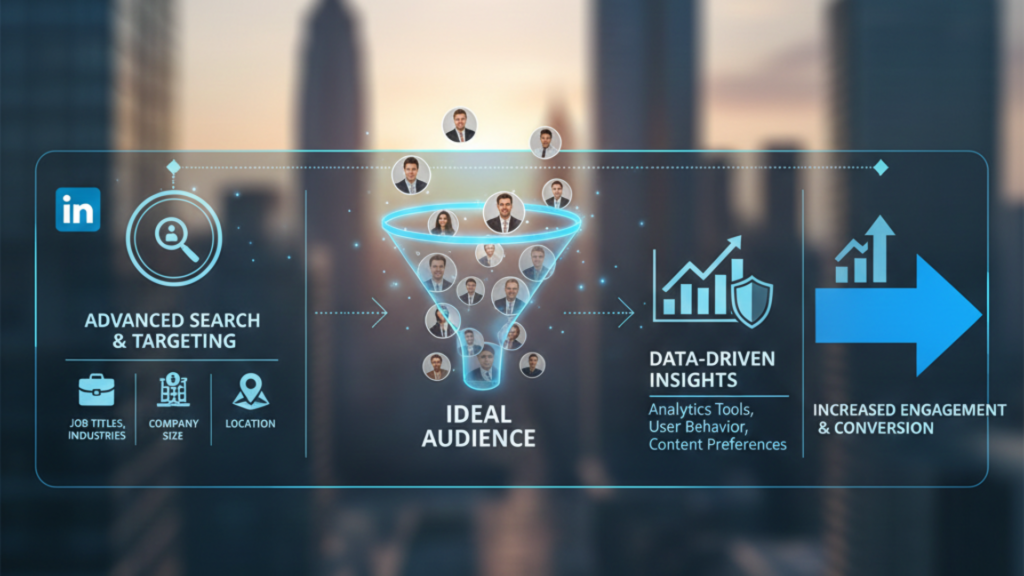
LinkedIn offers a powerful platform for B2B marketing, particularly due to its unique targeting capabilities that allow businesses to connect effectively with their ideal audience. One of the primary advantages of LinkedIn is its advanced search features, which enable marketers to identify potential leads based on specific criteria. This includes job titles, industries, company sizes, and even location, ensuring that marketing efforts are directed toward the most relevant prospects.
Utilizing these targeting options effectively can significantly enhance lead generation strategies. For instance, a company selling enterprise software solutions can filter its search to target decision-makers such as IT managers or Chief Technology Officers (CTOs) within large organizations. This targeted approach saves time and resources, as businesses can focus on individuals who are likely to have both the budget and authority to make purchasing decisions.
Moreover, understanding the audience is critical when utilizing LinkedIn for lead generation. Businesses need to gather and analyze data related to their target demographic. LinkedIn’s analytics tools provide valuable insights into the behavior and preferences of users, which can help in refining targeting strategies further. By analyzing which job titles engage most frequently with content or which industries show greater interest in specific offers, companies can tailor their messaging and outreach efforts to meet the needs of their audience.
In conclusion, effectively targeting the right audience on LinkedIn is essential for successful B2B lead generation. By leveraging advanced search features and making data-driven decisions, organizations can ensure that their marketing efforts resonate with potential leads, ultimately leading to increased engagement and higher conversion rates.
Leveraging Content Marketing on LinkedIn
In the contemporary landscape of B2B lead generation, LinkedIn has emerged as a principal platform for businesses aiming to harness the power of content marketing. This approach not only enhances brand visibility but also facilitates meaningful connections with potential clients. By sharing valuable content, companies can effectively position themselves as thought leaders within their industry, which is crucial for building trust with prospects.
There are several types of content that businesses can utilize on LinkedIn. Primarily, long-form articles provide an opportunity for in-depth exploration of relevant topics, showcasing expertise while addressing pain points experienced by the target audience. Regularly updating one’s LinkedIn feed with engaging posts can help maintain visibility and stimulate conversation among followers. Additionally, videos have become a vital component of content marketing strategies; they capture attention and communicate complex ideas succinctly, further enhancing engagement.
The value of thought leadership on LinkedIn cannot be overstated. When businesses share insights and innovative solutions, they set themselves apart from competitors, attracting potential leads who are seeking guidance and expertise. Engaging with prospects through comments and interactions can convert a casual viewer into a warm lead, fostering a community around the brand.
To craft engaging content tailored to the LinkedIn audience, businesses should focus on relevance and professionalism. Utilizing industry-specific language and trends can resonate well with professionals, while incorporating visual elements such as images or infographics can increase the likelihood of shares and likes. Additionally, maintaining a consistent posting schedule can reinforce a company’s presence on the platform. Ultimately, effective content marketing on LinkedIn is essential for generating leads and nurturing professional relationships that drive business growth.
The Role of LinkedIn Ads in Lead Generation
LinkedIn has emerged as a powerful platform for B2B lead generation, owing much of its effectiveness to its targeted advertising options. Businesses can leverage LinkedIn Ads to reach a professional audience, making it an ideal environment for generating high-quality leads. Among the various advertising formats available on LinkedIn, Sponsored Content and InMail are two of the most commonly used options.
Sponsored Content allows businesses to promote their posts directly in the LinkedIn feed of their target audience. This format is particularly effective because it appears as a native post, enabling businesses to integrate visually engaging content that resonates with potential leads. To optimize Sponsored Content, it’s essential to craft attention-grabbing headlines, utilize high-quality images or videos, and include a clear call to action. As a result, these ads can significantly increase engagement and drive traffic to landing pages.
InMail is another valuable advertising format that enables direct messaging to LinkedIn users. Unlike traditional email marketing, InMail allows for personalized communication with decision-makers who may be harder to reach through other channels. Best practices for effective InMail campaigns include personalizing the message to each recipient, maintaining a concise and respectful tone, and including a strong value proposition that highlights how your solution can address the recipient’s pain points. This direct approach can yield higher response rates and foster genuine connections.
Other LinkedIn ad formats, such as Text Ads and Dynamic Ads, also play a role in lead generation strategies. Text Ads, for example, allow for quick visibility with lower-budget requirements, while Dynamic Ads personalize the ad experience based on user activity. Each format offers unique advantages; thus, businesses should consider their specific audience, goals, and budget when selecting the ideal ad type for their campaigns.
Building Credibility and Trust Through Engagement
Establishing credibility and trust within the B2B landscape is vital, and LinkedIn serves as a crucial platform to foster these elements through consistent engagement. Regular interaction with your audience is essential to position your brand as a thought leader. Engaging with potential leads by commenting on their posts, sharing valuable insights, and offering assistance demonstrates your commitment to building relationships rather than merely pursuing sales. This type of genuine interaction is foundational to enhancing your brand’s reputation.
Moreover, actively participating in discussions on LinkedIn not only allows you to showcase your expertise but also helps in attracting the interest of potential leads. When you take the time to respond thoughtfully to comments or questions, it portrays a sense of approachability and reliability, which potential clients often seek. Engaging with your network by sharing relevant content or industry news builds trust and positions your brand as an authority within your niche.
To maintain an active presence, consider implementing a strategic content calendar that includes a mix of original posts, shares, and responses to connections. Aim to publish insightful articles or updates, allocate time for interacting with peers, and participate in LinkedIn Groups relevant to your industry. Consistency in your engagement practices signals to potential leads that you are not only knowledgeable but also invested in the community.
Ultimately, building credibility and trust through engagement involves a multifaceted approach. Regularly showcasing your expertise, responding to your audience, and offering meaningful interactions will help fortify your brand authority on LinkedIn. Remember, meaningful engagements lead to long-term relationships, paving the way for fruitful lead generation in the B2B domain.
Tracking and Measuring Success on LinkedIn
In the realm of B2B lead generation, tracking and measuring the effectiveness of LinkedIn marketing efforts is critical. The platform provides numerous analytics tools that enable marketers to assess the success of their strategies in generating leads and fostering engagement. Among the primary metrics to monitor are lead conversion rates, engagement rates, and overall return on investment (ROI).
Lead conversion rates can provide insights into how effectively your LinkedIn content and campaigns are turning prospects into leads. This metric can be improved through targeted advertising, compelling messaging, and strategic call-to-action placements. Additionally, understanding the demographics of those who engage with your content can help tailor future campaigns to more effectively reach desired audiences.
Engagement metrics, such as likes, shares, comments, and connection requests, also play a critical role in understanding the impact of your LinkedIn marketing strategies. High engagement rates often correlate with a higher likelihood of lead conversion, indicating that your content resonates well with your audience. By regularly analyzing these metrics, businesses can identify which types of content perform best, allowing for more informed content strategies moving forward.
Furthermore, measuring the ROI of LinkedIn marketing efforts is essential to understanding its overall efficacy. By comparing the revenue generated from leads acquired through LinkedIn with the costs associated with running campaigns on the platform, organizations can gauge whether their investment is worthwhile. This information not only helps justify marketing expenditures but also guides the refinement of future strategies to enhance lead generation.
Ultimately, successful LinkedIn marketing requires a commitment to continuous improvement. By consistently tracking and analyzing data insights, businesses can adapt their marketing efforts to not only keep pace with industry changes but also to leverage new opportunities for lead generation that arise along the way.
Case Studies: Successful LinkedIn Marketing Strategies
In today’s competitive landscape, several businesses have harnessed the power of LinkedIn marketing to effectively generate B2B leads. These case studies provide insight into their strategies, challenges, and outcomes, illustrating the platform’s significant potential for lead generation.
One notable case is that of a software development company that aimed to expand its client base. They initiated a targeted LinkedIn campaign focusing on decision-makers in the tech industry. By creating tailored content that addressed their audience’s pain points, they successfully increased engagement rates. The company’s strategic use of LinkedIn Sponsored Content and InMail messages allowed them to reach a broader yet relevant audience. As a result, they reported a 150% increase in lead generation within six months, demonstrating how a well-planned LinkedIn strategy can yield substantial results.
Another exemplary case focuses on a consulting firm that encountered the challenge of establishing credibility in a saturated market. They opted for a thought leadership approach by regularly publishing insightful articles and engaging in discussions within relevant LinkedIn groups. This consistent effort not only boosted their visibility but also positioned them as industry experts. The firm leveraged LinkedIn analytics to track engagement and refine their strategies accordingly. Over the course of a year, these activities led to a significant rise in organic leads and established valuable connections that resulted in new client contracts.
These cases highlight the versatility of LinkedIn as a marketing platform. By recognizing their target audience, leveraging valuable content, and employing analytical tools, businesses have successfully navigated the complexities of B2B lead generation. The real-world evidence shows that when executed effectively, LinkedIn marketing can be a cornerstone of any lead generation strategy.
Conclusion: Embracing LinkedIn for Future Growth
In the rapidly evolving landscape of digital marketing, the significance of LinkedIn for B2B lead generation cannot be overstated. As discussed, this platform serves as a powerful tool for businesses aiming to connect with decision-makers, engage with industry peers, and showcase their expertise. With over 700 million professionals using LinkedIn, the potential to attract and convert qualified leads is substantial, making it an essential component of any B2B marketing strategy.
Throughout this blog post, we explored various elements that underline the critical role LinkedIn plays in B2B lead generation. From targeted advertising and content marketing to networking and community-building, LinkedIn offers diverse functionalities that enhance visibility and credibility within industries. By leveraging its unique features, businesses can transform their approach to lead generation, ensuring that they remain competitive in their respective fields.
To harness the full potential of LinkedIn marketing, businesses should consider implementing several actionable strategies. Firstly, developing a robust LinkedIn profile that showcases the company’s strengths and value proposition is crucial. Regularly sharing insightful content tailored to the target audience not only establishes thought leadership but also fosters engagement. Additionally, utilizing LinkedIn’s advanced search filters can enable businesses to identify and connect with their specific target audience, further enhancing lead-generation efforts.
As we look towards the future, embracing LinkedIn marketing is not merely an option; it is a necessity for growth. Organizations that adapt to this powerful platform, actively engaging with their audience, and staying informed about trends will position themselves for success. With the right strategies in place, businesses can significantly increase their B2B lead generation and build meaningful relationships that contribute to long-term prosperity.