Introduction to Business Process Management (BPM)
Business Process Management (BPM) is a systematic approach that organizations employ to make their workflows more effective, efficient, and adaptable to an ever-changing environment. At its core, BPM involves identifying, modeling, and optimizing a company’s business processes, which are the series of tasks that produce a specific output for customers. The primary objective of BPM is to enhance corporate performance by ensuring that each process contributes positively to business goals.
One of the key aspects of BPM is process modeling, which entails creating a visual representation of workflows to better understand them and identify areas for improvement. By using BPM tools and methodologies, companies can dissect their processes into manageable components, making it easier to pinpoint inefficiencies or bottlenecks. Furthermore, modeling supports effective communication among stakeholders, ensuring everyone shares a common understanding of how processes function.
Automation is another critical dimension of BPM. Organizations leverage technology to automate repetitive tasks within their processes, thus reducing human error and freeing up employee time for more strategic activities. The automation of workflows enhances speed and efficiency, aligning with the overarching goals of BPM to optimize resource utilization and improve service delivery.
Measurement and analysis are crucial components of BPM, as they provide insights into the effectiveness of business processes. By implementing performance metrics and continuous monitoring, organizations can assess the impact of their BPM initiatives. This data-driven approach facilitates ongoing refinements and adaptations to processes, ensuring they remain aligned with organizational objectives and market demands. Overall, BPM stands as an essential practice for companies seeking sustainable growth and improved operational efficiency.
The Need for BPM Consulting in Growing Companies
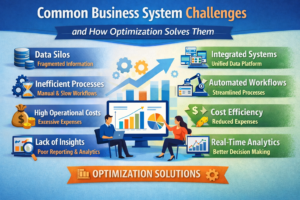
As companies progress through various growth stages, they often encounter a range of challenges that can impede their expansion efforts. One such challenge is the emergence of inefficiencies within business operations. When a company scales, processes that were once effective can become strained, leading to delays and confusion. This is where Business Process Management (BPM) consulting comes into play, offering targeted solutions to streamline operations.
Another significant issue faced by growing companies is miscommunication between different departments or teams. As organizations expand, the structure of workflows can become increasingly convoluted, resulting in a lack of clarity surrounding roles and responsibilities. By engaging BPM consultants, businesses can establish clearer communication channels, ensuring that team members are aligned with organizational goals and objectives. This alignment not only enhances productivity but also boosts employee morale.
Additionally, the absence of structured workflows can stifle growth. In many cases, growing companies rely on informal processes that may have worked prior to scaling, yet fail to support the increased complexity of larger operations. BPM consultants can assist in mapping out and formalizing these workflows, establishing clear procedures that can be easily followed. This structured approach optimizes resource use, minimizes redundancies, and contributes to overall operational efficiency.
Ultimately, BPM consulting services are essential for growing companies facing these common challenges. By addressing inefficiencies, improving communication, and implementing structured workflows, organizations are better positioned to manage growth effectively. The implementation of BPM strategies enables businesses to not only sustain their expansion efforts but also thrive in competitive markets.

Key Benefits of Engaging BPM Consulting Services
Business Process Management (BPM) consulting services play a critical role in enhancing organizational performance. One of the most significant benefits of engaging BPM consultants is the increased efficiency in operations. By analyzing existing processes, BPM consultants identify inefficiencies and bottlenecks that hinder productivity. This analysis enables companies to streamline processes, reduce redundancies, and ultimately achieve better resource allocation, leading to improved operational performance.
Cost reduction is another key advantage associated with BPM consulting. Through the optimization of business processes, companies can minimize operational costs. Effective BPM allows organizations to allocate their resources more wisely, making better use of technology and manpower. Companies often discover that even small adjustments to workflows can result in significant savings, thereby enhancing profitability.
Improving customer satisfaction is also a noteworthy benefit of BPM consulting. By refining processes, businesses can provide a smoother, more efficient experience for their customers. This may include faster response times, improved product delivery, and more responsive customer service. Satisfied customers are likely to become repeat clients and contribute to positive word-of-mouth marketing, which is invaluable for company growth.
Furthermore, BPM consulting services equip organizations with the agility to adapt to market changes effectively. In today’s fast-paced business environment, companies face numerous challenges that can disrupt operations. Engaging BPM consultants enables organizations to develop processes that are flexible and responsive to changes in the market landscape. This adaptability ensures that organizations remain competitive and can pivot strategies as necessary.
Examples of successful outcomes from BPM consulting abound. Many companies that have adopted BPM practices report increased efficiency ratios and reduced operational costs. Such transformations not only support short-term goals but also align with long-term strategic planning, confirming the value of hiring BPM consultants.
BPM Consulting Services: What to Expect
When engaging a Business Process Management (BPM) consulting firm, companies can anticipate a range of services tailored to enhance their operational efficiency. One of the primary offerings is process mapping. This service involves creating a visual representation of the current workflows within an organization. Through process mapping, BPM consultants identify inefficiencies and redundancies, enabling businesses to gain deeper insights into their operations.
Another critical service provided by BPM consultants is gap analysis. This process involves evaluating the current operational state against desired outcomes or industry standards. By pinpointing discrepancies, consultants guide organizations in understanding what changes are necessary to reach their goals. Gap analysis typically serves as a foundational step before initiating further transformations.
Furthermore, BPM consulting firms often offer process re-engineering services. This entails the redesign of existing processes to improve performance and efficiency. Consultants work collaboratively with stakeholders to innovate processes, ensuring that they align with the company’s strategic objectives and resonate with best practices in the industry. The goal is to streamline operations while simultaneously enhancing quality and customer satisfaction.
Lastly, the implementation of BPM technologies is a critical aspect of modern BPM consulting. Specialists help organizations select and adopt appropriate technologies to automate and optimize workflows. This integration not only facilitates process improvements but also enhances data management and reporting capabilities. By leveraging BPM technologies, companies can expect greater agility and responsiveness in their operations.
Choosing the Right BPM Consulting Partner
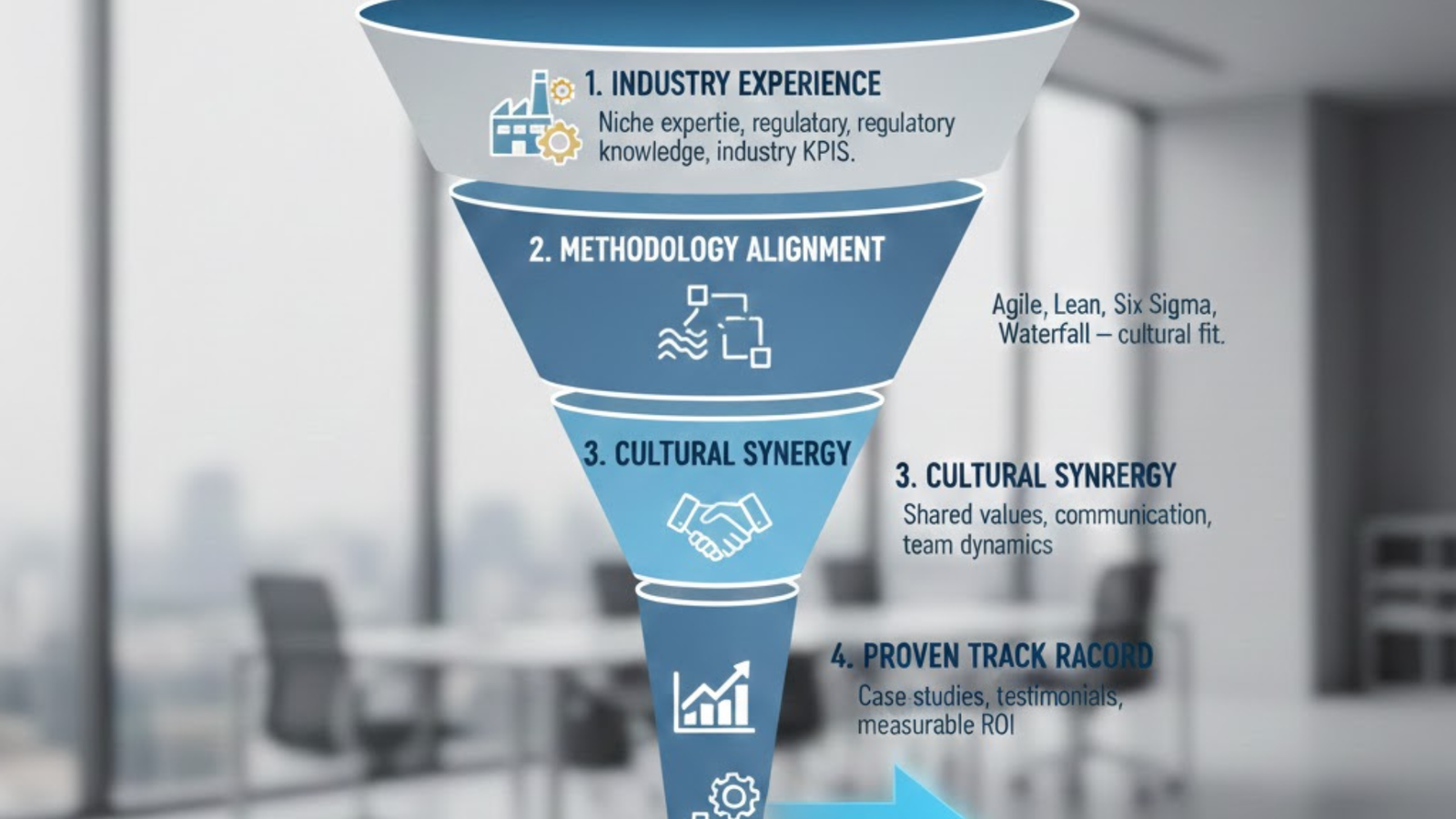
Selecting the appropriate Business Process Management (BPM) consulting partner is a critical decision for any growing company. This process necessitates careful consideration of several essential factors to ensure alignment with the organization’s needs and objectives.
Firstly, assessing the industry experience of potential BPM consultants is fundamental. A consultant with extensive experience in your specific industry will be more equipped to understand its unique challenges and opportunities. They should have proven methodologies tailored to the particularities of your sector, which can significantly enhance the effectiveness of the BPM initiatives.
Furthermore, understanding the consultant’s methodology is paramount. Different consultants may employ varied approaches in their BPM practices. Companies should seek partners who use a methodology that resonates with their organizational culture and business goals. For instance, some consultants may prefer agile methodologies, while others might employ traditional waterfall approaches. Familiarity with their methodologies will help ensure a more seamless collaboration.
The importance of cultural fit cannot be understated. The consulting partner should share similar values and a vision with the client’s organization. An effective partnership relies heavily on mutual respect and understanding; therefore, companies should consider whether the consultant’s team dynamics align with their own. Building rapport can lead to more successful outcomes during the BPM implementation process.
Lastly, evaluating past client success stories is a crucial factor in selecting a BPM consultant. Reviewing case studies or testimonials will provide insight into the effectiveness of their services and the impact on previous clients. This information often reveals their capacity to drive measurable improvements in business processes.
In essence, choosing the right BPM consulting partner involves a thorough evaluation of industry experience, methodology, cultural compatibility, and demonstrable success with prior clients. This careful selection can ultimately enhance the effectiveness of BPM implementations and contribute positively to organizational growth.
Case Studies: Successful BPM Implementations
Business Process Management (BPM) consulting has transformed many organizations by optimizing their workflows and enhancing operational effectiveness. Here, we explore several case studies that exemplify the successful implementation of BPM strategies, highlighting the challenges faced, solutions provided, and tangible outcomes achieved.
One noteworthy example involves a mid-sized manufacturing company struggling with production delays and inconsistent quality control. The bottlenecks severely impacted their order fulfillment rates, leading to dissatisfied customers and lost contracts. Collaborating with a BPM consultant, the company embarked on a thorough analysis of their production workflows. The consultants introduced standardized operating procedures and automated quality checks, which streamlined processes. Post-implementation, the company experienced a 30% reduction in production time and a marked increase in product quality ratings, directly contributing to a 20% increase in customer satisfaction.
Another compelling case is that of a financial services firm facing significant compliance issues, risking potential fines and damaging its reputation. The company adopted BPM consulting services to redefine its compliance workflows. Consultants facilitated workshops to identify inefficiencies and compliance gaps. As a result, the firm developed a comprehensive compliance dashboard to monitor adherence to regulations in real-time. This initiative not only reduced compliance breaches by 40% but also empowered staff with clearer guidelines, ultimately enhancing the firm’s reputation in a competitive market.
A third case study focuses on a technology startup that was expanding rapidly but found itself overwhelmed by its customer support operations. The BPM consultants recommended implementing a customer relationship management (CRM) system integrated with automated ticketing workflows. Following implementation, the startup reported a 50% improvement in response times and a significant drop in customer complaints, facilitating sustainable growth.
These case studies illustrate the profound impact of BPM consulting across various industries, demonstrating how tailored strategies address unique challenges effectively. The measurable results affirm the pivotal role of BPM in supporting operational efficiency and business growth.
Common Pitfalls in BPM Implementation
Implementing Business Process Management (BPM) strategies presents numerous opportunities for companies seeking growth and efficiency. However, there are several common pitfalls that can hinder successful implementation, leading to wasted resources and suboptimal outcomes.
One significant issue is the lack of stakeholder buy-in. When key stakeholders are not engaged in the BPM process, it can result in a lack of support and enthusiasm for the initiative. This disengagement can stem from insufficient communication about the benefits of BPM or a failure to involve them in decision-making. To combat this, organizations should prioritize early and consistent engagement with stakeholders by clearly articulating the objectives and benefits of BPM.
Inadequate training represents another critical pitfall. Deploying new BPM tools and methodologies without proper training can lead to employee confusion and ineffective usage. To avoid this, companies should allocate resources for comprehensive training programs that are tailored to meet the needs of different teams. Regular follow-ups and refreshers can further ensure that employees are comfortable and competent in utilizing BPM tools.
Additionally, failing to establish clear metrics for success can undermine BPM initiatives. Without quantifiable goals, it becomes challenging to assess the effectiveness of the implemented processes. Organizations should focus on setting measurable objectives that align with their BPM strategies, thereby allowing them to track progress and make data-driven decisions.
By being aware of these common pitfalls—lack of stakeholder buy-in, inadequate training, and unclear metrics companies can develop strategies to navigate around them. Proactive engagement, proper training schedules, and clear performance indicators form cornerstones for a successful BPM implementation that drives sustainable growth and efficiency.
The Future of BPM Consulting Services
As technology continues to advance at an unprecedented rate, the landscape of Business Process Management (BPM) consulting is also set to evolve significantly. One of the most notable trends anticipated is the integration of artificial intelligence (AI) and machine learning into BPM practices. These technologies promise to revolutionize the way businesses approach process optimization by providing deeper insights, enhancing decision-making capabilities, and automating routine tasks.
In the future, we expect BPM consulting services to emphasize data-driven strategies powered by AI. This will allow companies to analyze vast amounts of data swiftly, identifying bottlenecks and inefficiencies within their processes. Additionally, machine learning algorithms will continuously improve these processes by learning from past data and applying these learnings to optimize future performance. The ability to predict potential disruptions before they occur will become invaluable, giving organizations a significant competitive edge.
Moreover, the rise of low-code and no-code platforms will democratize access to BPM tools, enabling more organizations to manage their processes effectively without requiring extensive technical expertise. This shift could lead BPM consultants to focus more on coaching teams and guiding businesses in utilizing these platforms, rather than solely on traditional process improvement methodologies.
Another anticipated trend is the increasing importance of agile methodologies within BPM consulting. As companies strive for greater flexibility and responsiveness, consultants will need to adapt their strategies to assist organizations in becoming more agile. This could involve a stronger emphasis on iterative process improvements and the incorporation of customer feedback loops, ensuring that business processes remain aligned with market demands.
In summary, the future of BPM consulting services appears to be heavily intertwined with technological advancements. Businesses can expect BPM consultants to leverage AI, machine learning, and agile methodologies to enhance process optimization, making it essential for companies to stay informed and adaptable to these upcoming changes.
Conclusion: The Strategic Role of BPM Consulting
In the context of growing companies, engaging in Business Process Management (BPM) consulting services is increasingly vital for achieving sustainable growth and enhancing operational excellence. Throughout this blog post, we have explored the multifaceted benefits that BPM consultants provide, demonstrating their essential role in refining processes, aligning strategy with execution, and driving continuous improvement.
One of the paramount advantages of BPM consulting lies in its ability to diagnose inefficiencies and recommend tailored solutions. Skilled BPM consultants systematically analyze existing workflows, identifying bottlenecks and redundancies that may hinder performance. This meticulous examination enables organizations to streamline operations, thus fostering a culture of efficiency that is crucial in a competitive landscape. Furthermore, these consultants facilitate the development of clear, measurable objectives, ensuring that all team members are aligned and working towards a common goal.
Moreover, BPM consulting services are instrumental in implementing best practices and innovative technologies, contributing to enhanced adaptability in ever-changing business environments. As companies expand, the complexities of their operations invariably increase. Proficient BPM consultants assist in design and implementation of scalable processes that not only accommodate growth but also optimize resource utilization.
Importantly, BPM consultants play a strategic role in embedding a mindset of continuous improvement within organizations. By fostering a culture that values ongoing assessment and iterative enhancements, businesses are better equipped to respond to emerging challenges and capitalize on new opportunities.
In conclusion, the engagement of BPM consulting services is a strategic investment for any growing company. By leveraging expert insights, organizations can achieve operational excellence, drive sustainable growth, and ultimately position themselves favorably in their respective markets.